The Atlas Gallery in Baker Street has a display of original photographs and prints by Ansel Adams. He is well known for his iconic photos of the American Wilderness in black and white, graduating light and exposure. Exposing the nature patterns in the rocks and mountains.


The photos were beautiful but not printed on a large scale – probably A3 was the largest. Some were limited edition prints – clearly printed recently but others were older and had a sepia tone. Prices for the prints were up to $90,000.
The 20 or so prints were framed with white mounts and with black frames.
I had gone to the gallery with great anticipation of seeing Ansel’s iconic photos but was hugely disappointed. I believe the prints were not displayed in their glory and seemed insignificant. I had seen a better display of his work from prints in a Forestry Commission Museum near Loch Ard in Scotland.
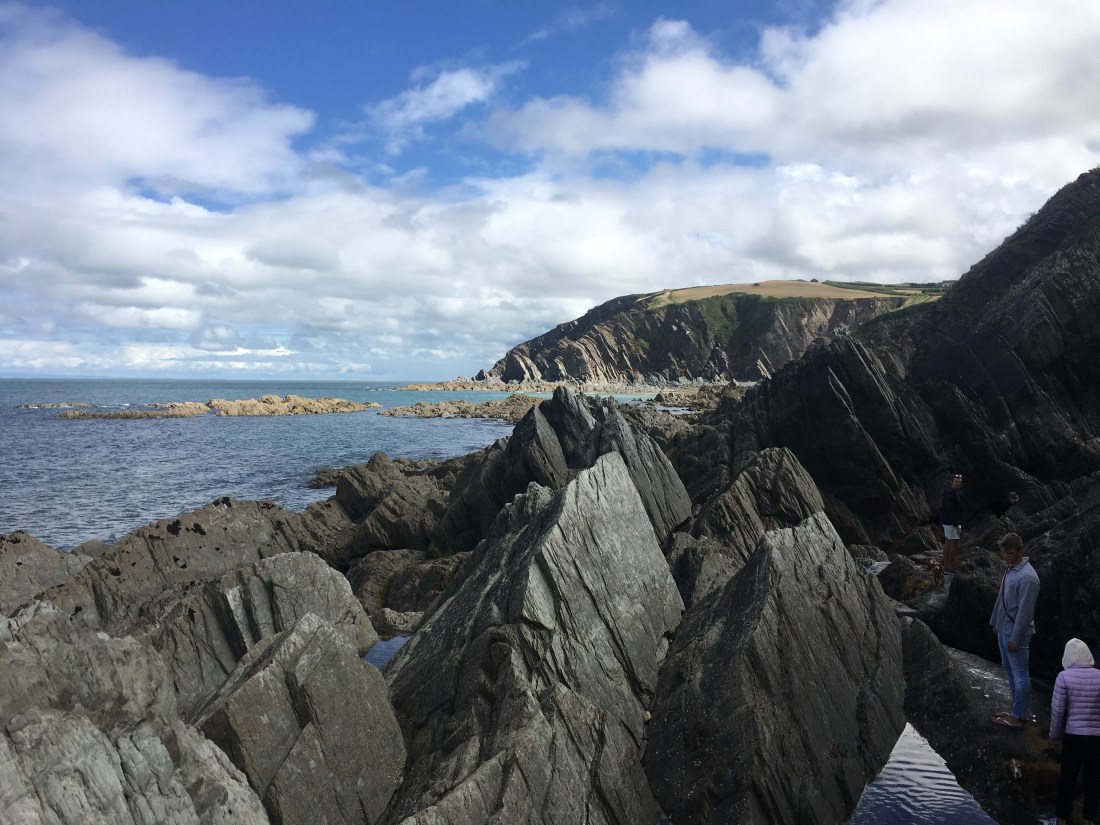
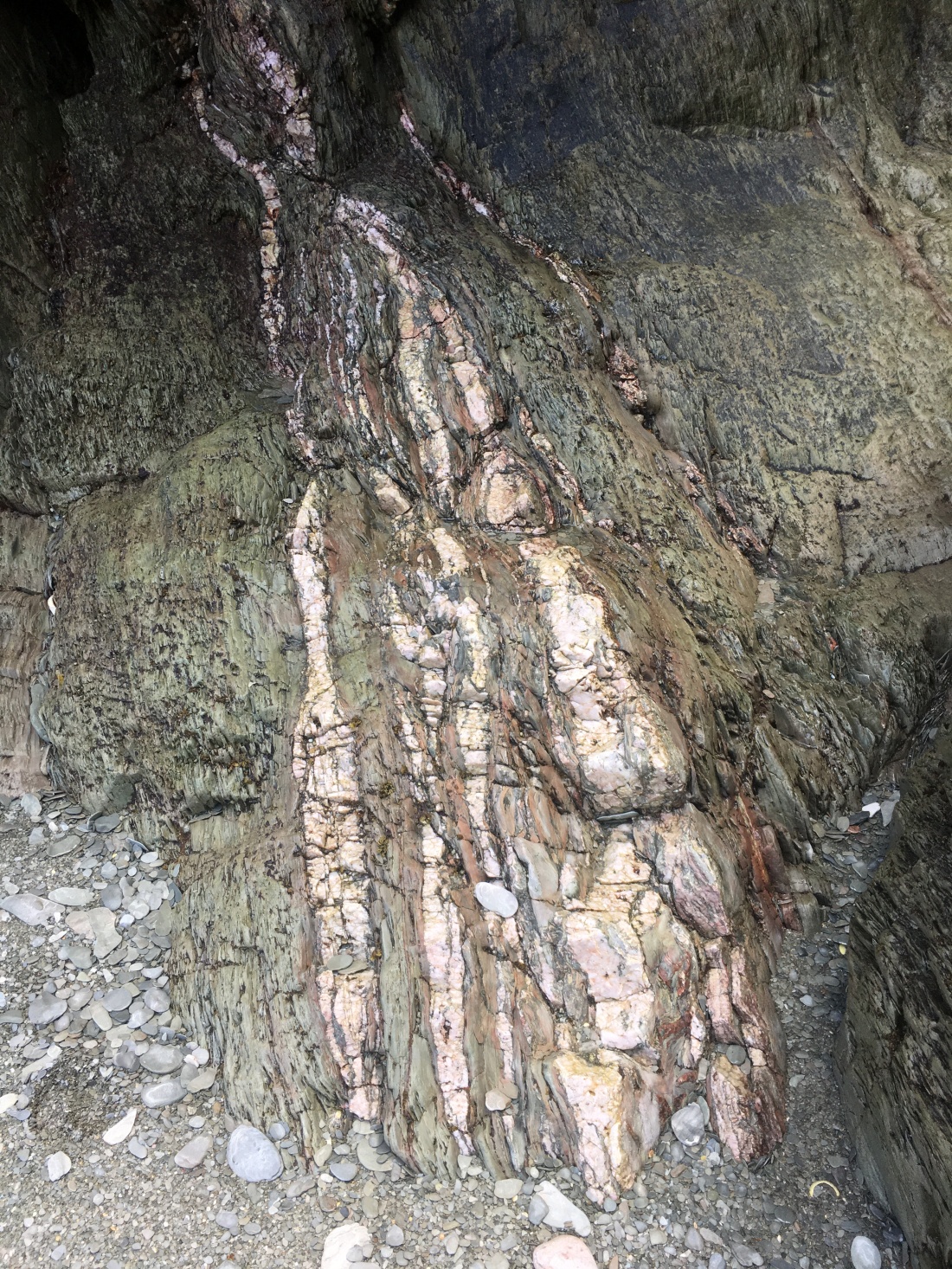
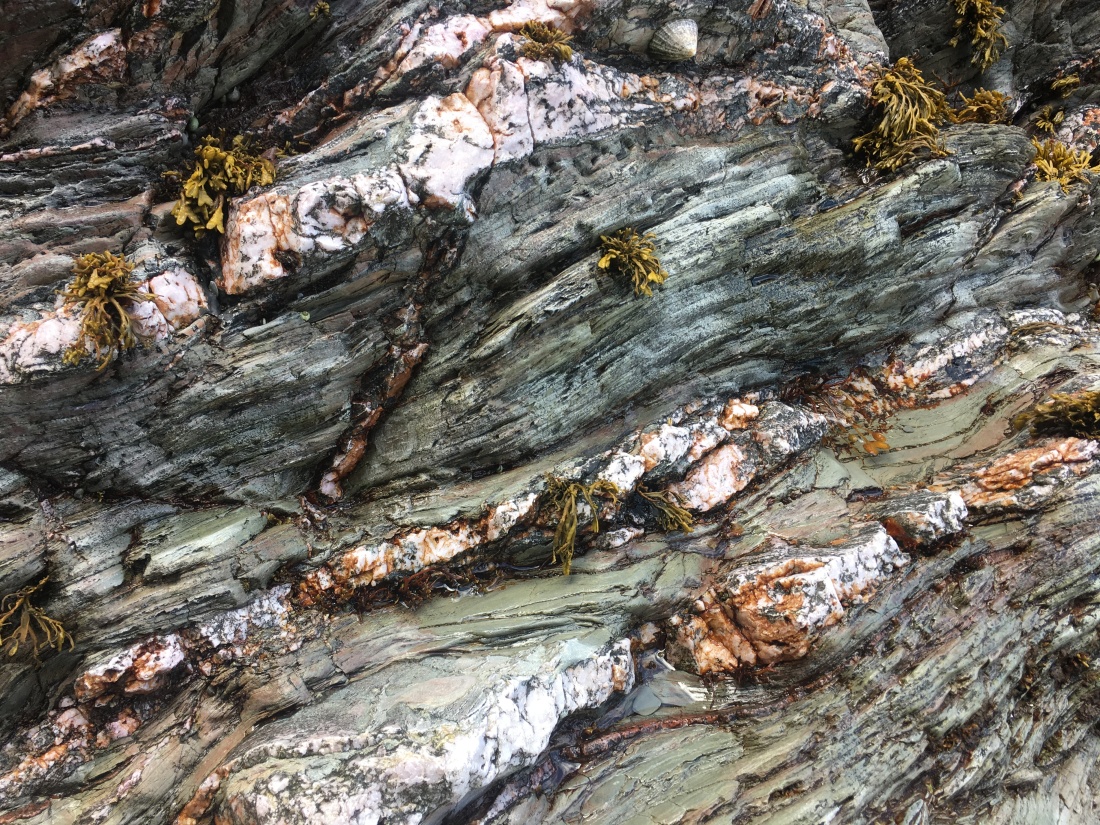
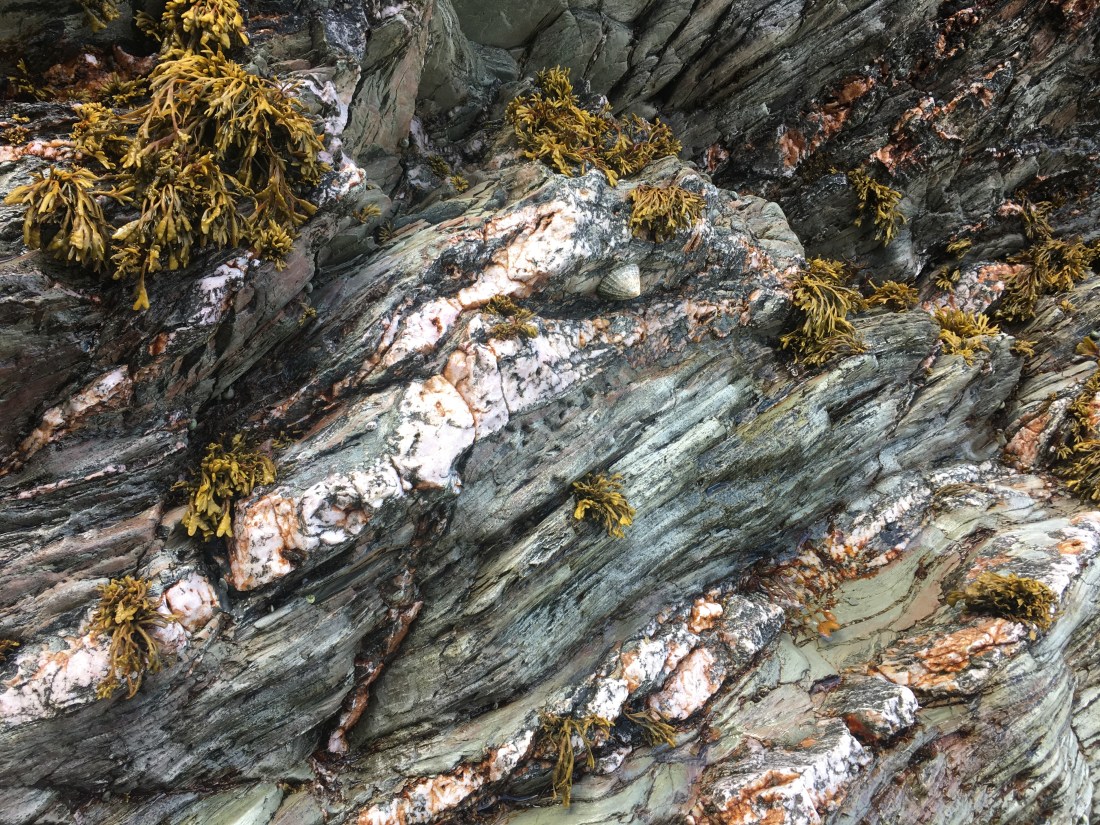
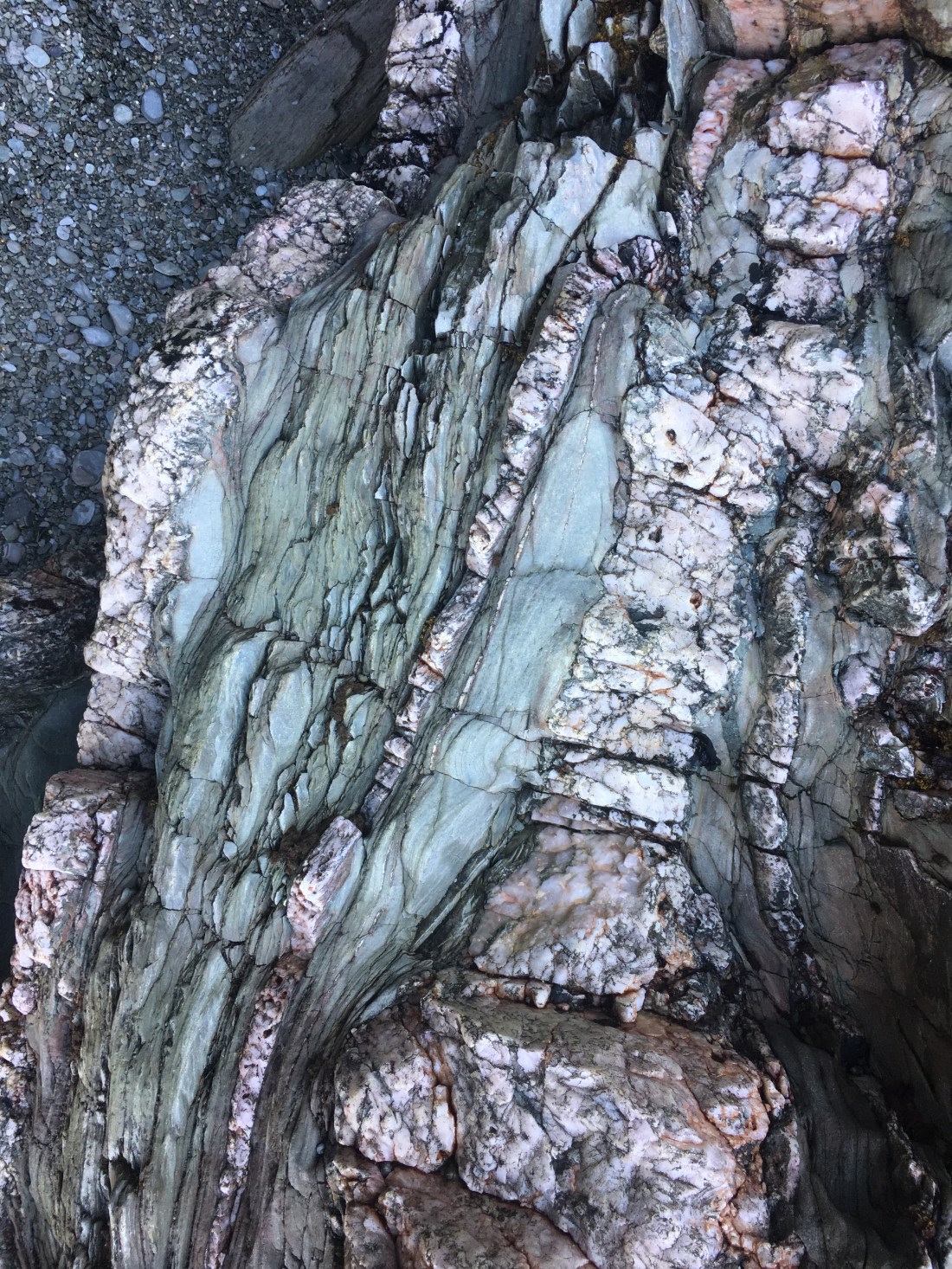
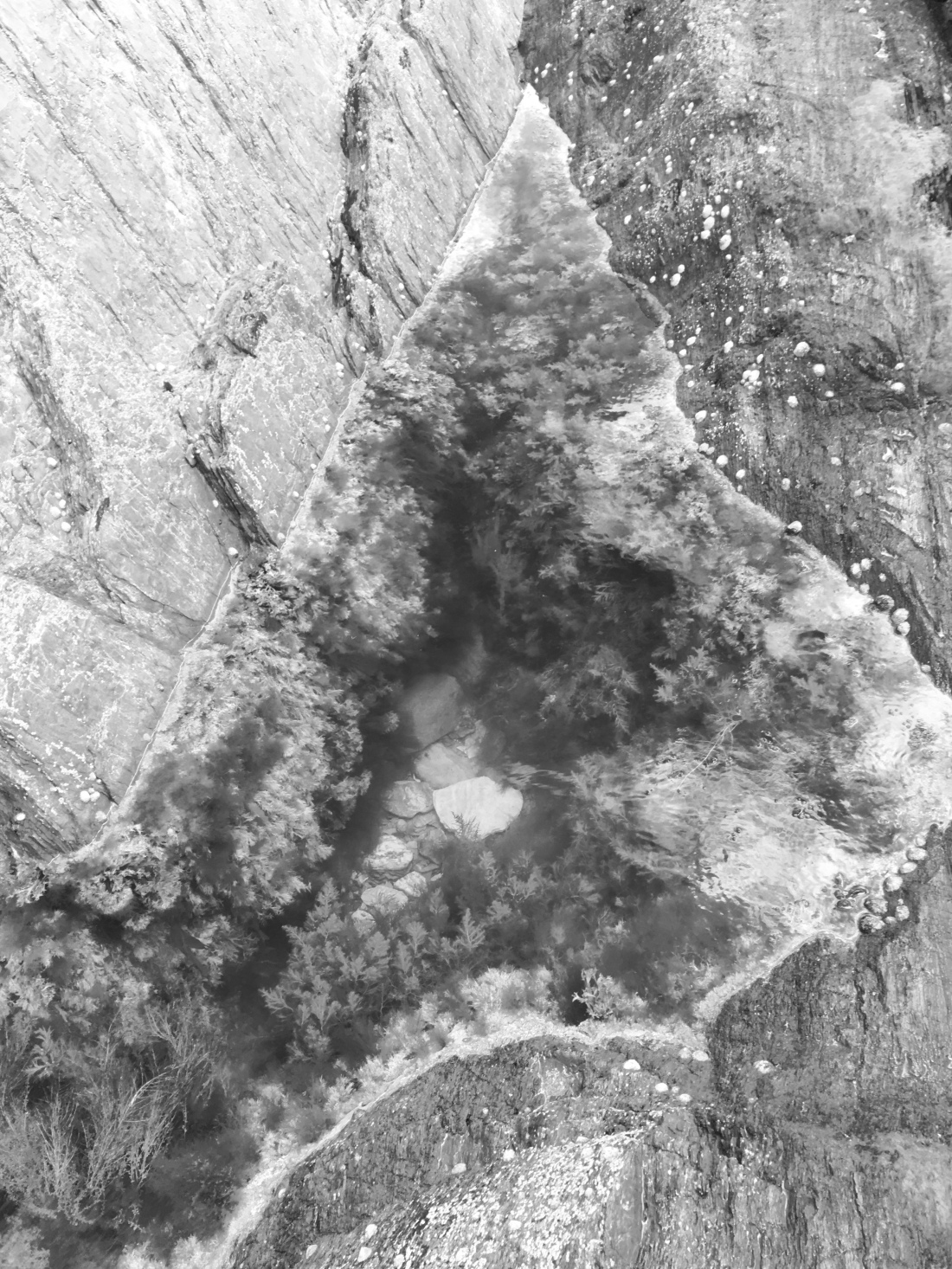
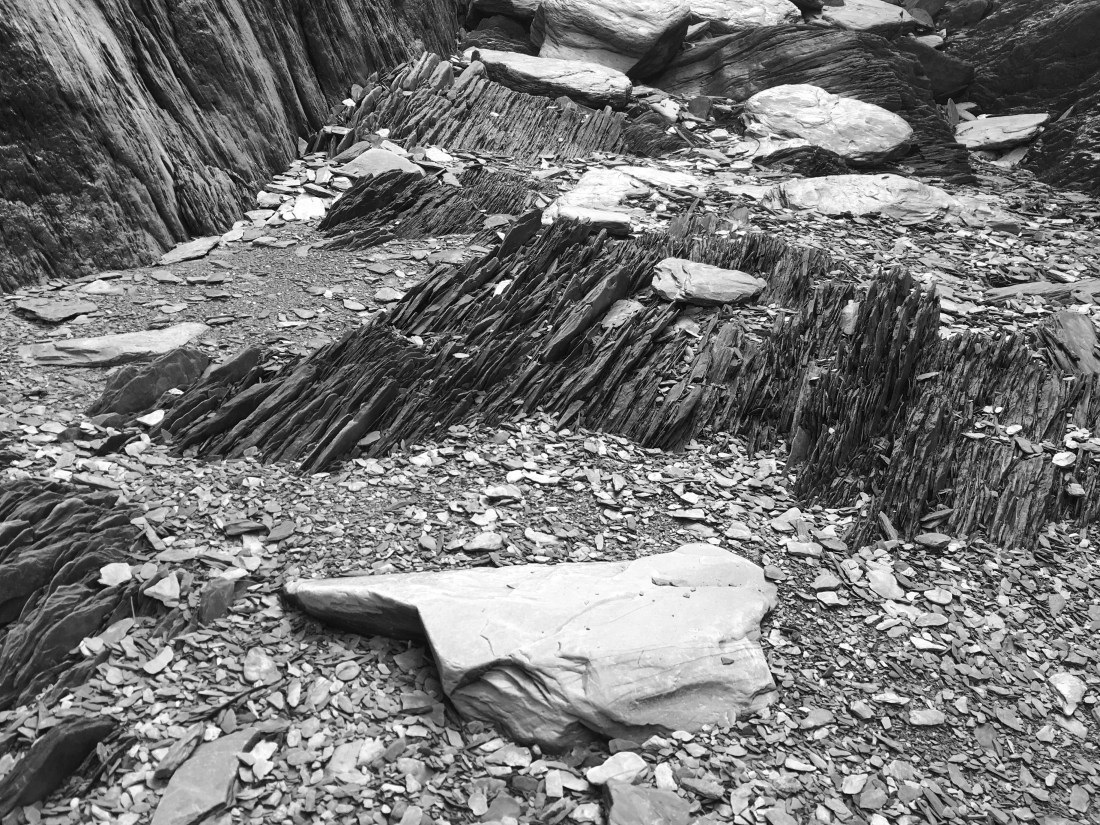
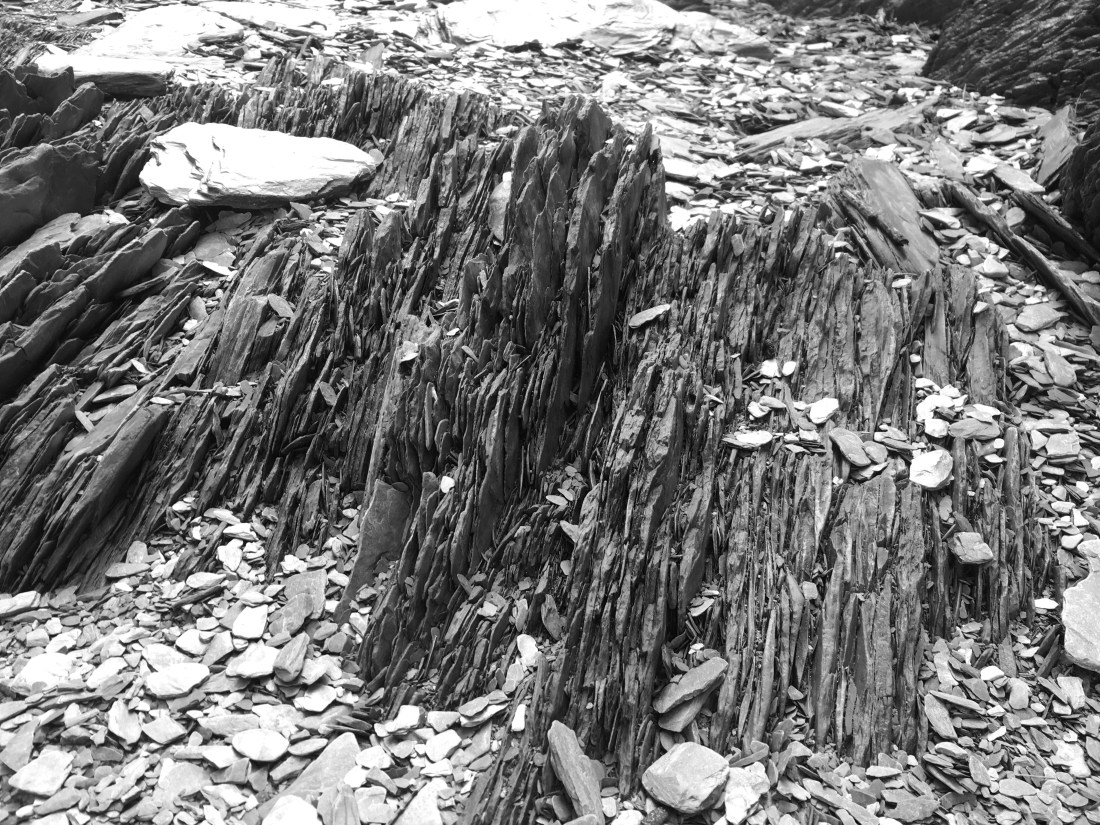
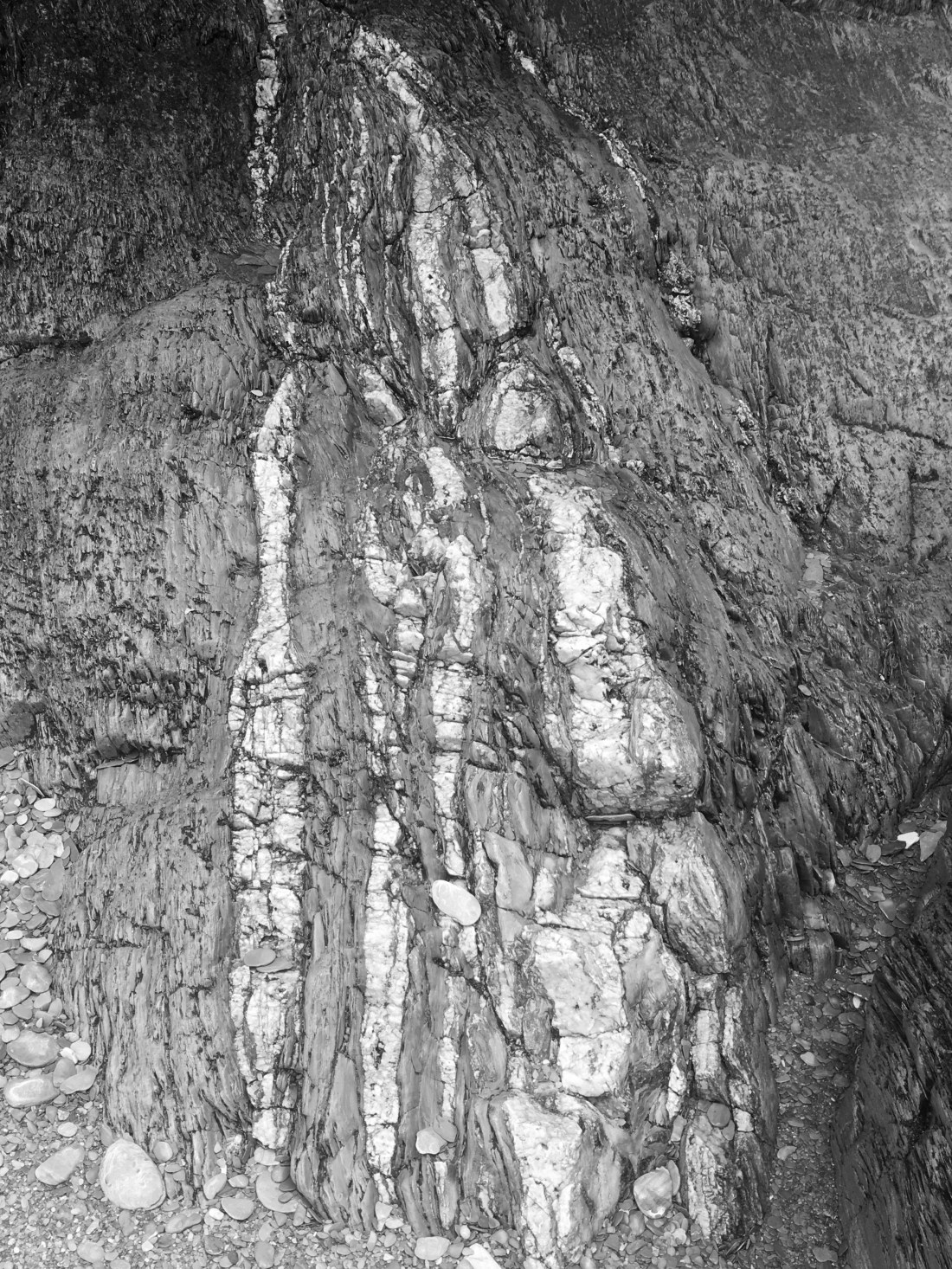
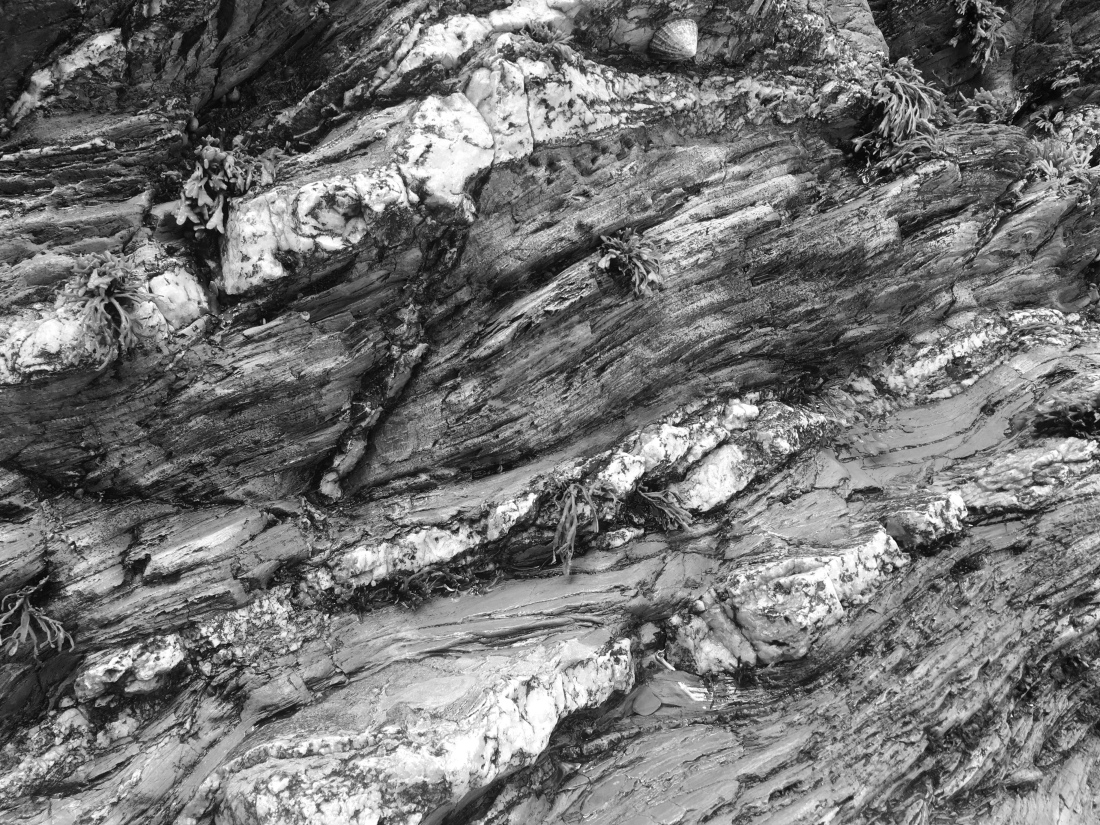
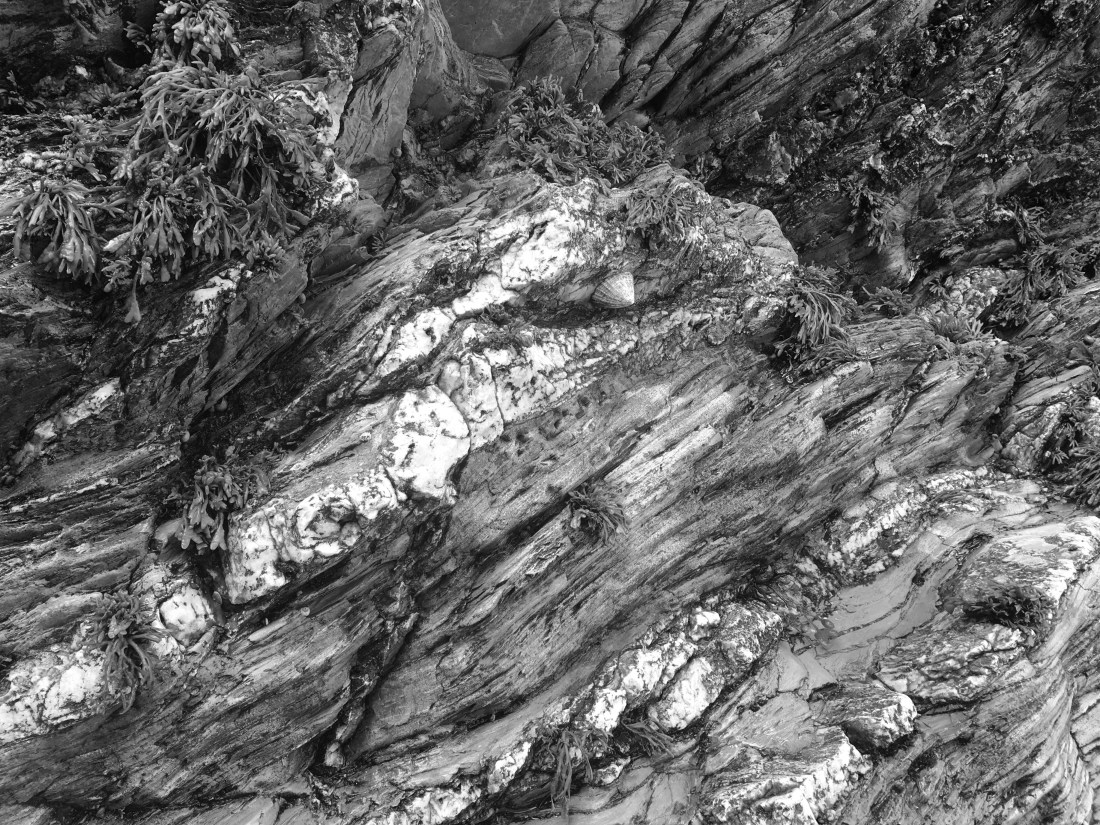
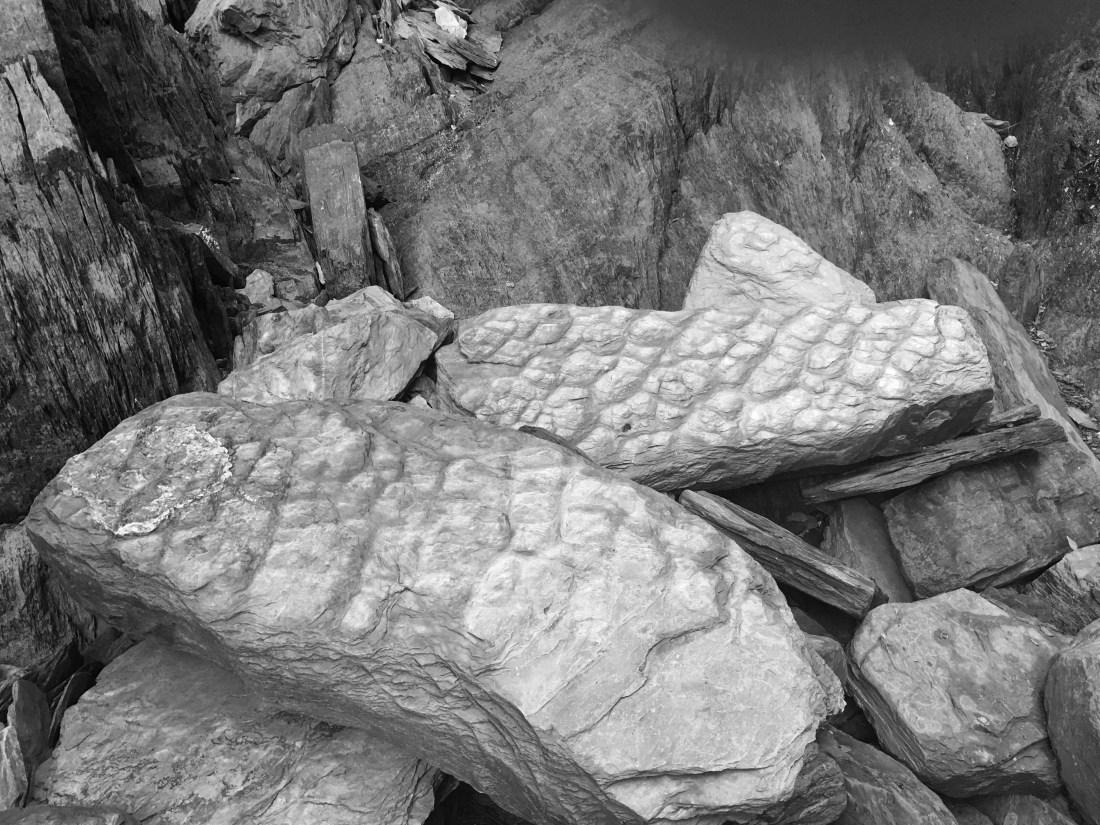
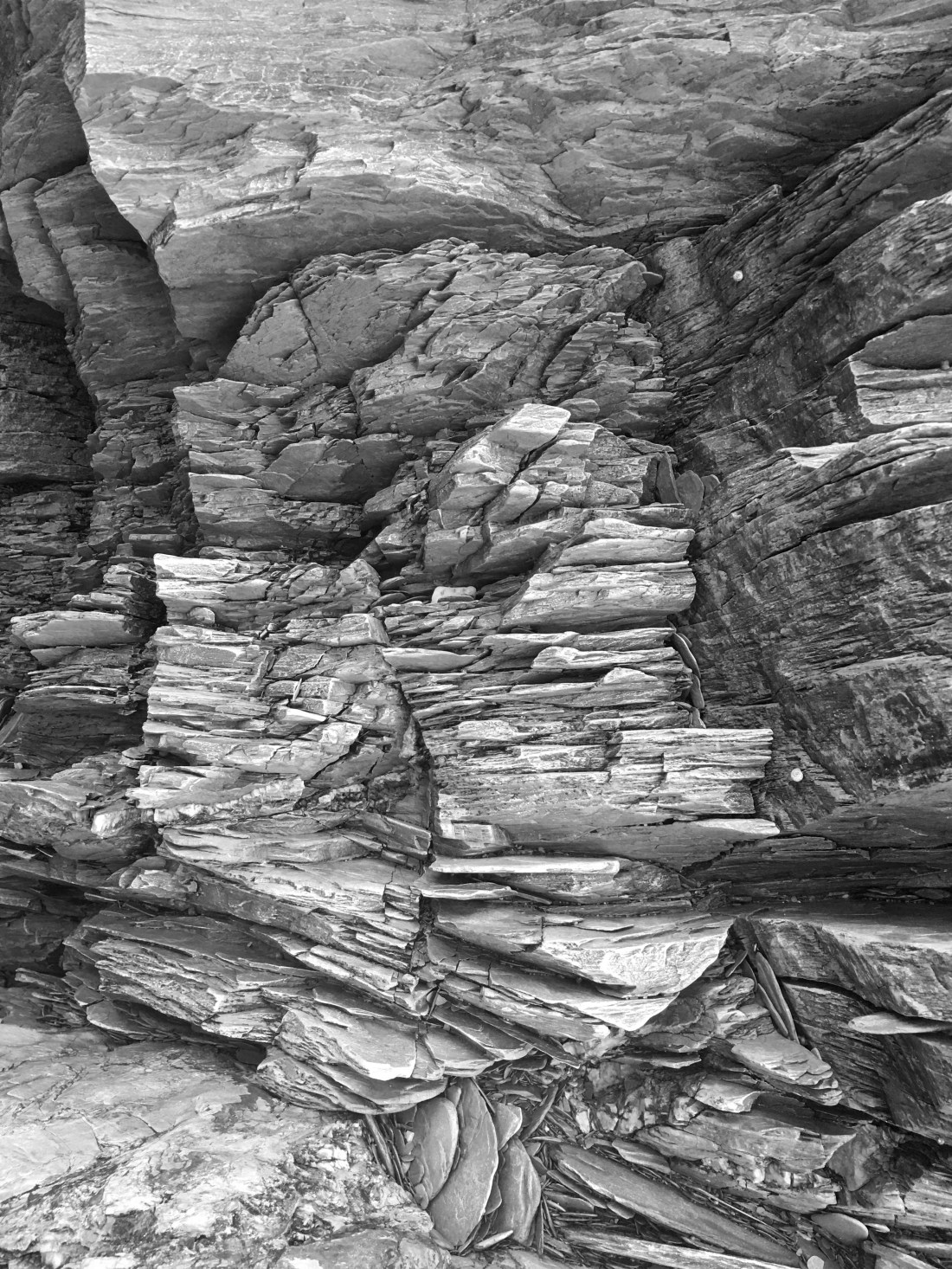
The landscape patterns in his prints are also a favourite topic for my photos. These were taken on rocks in Devon last summer:
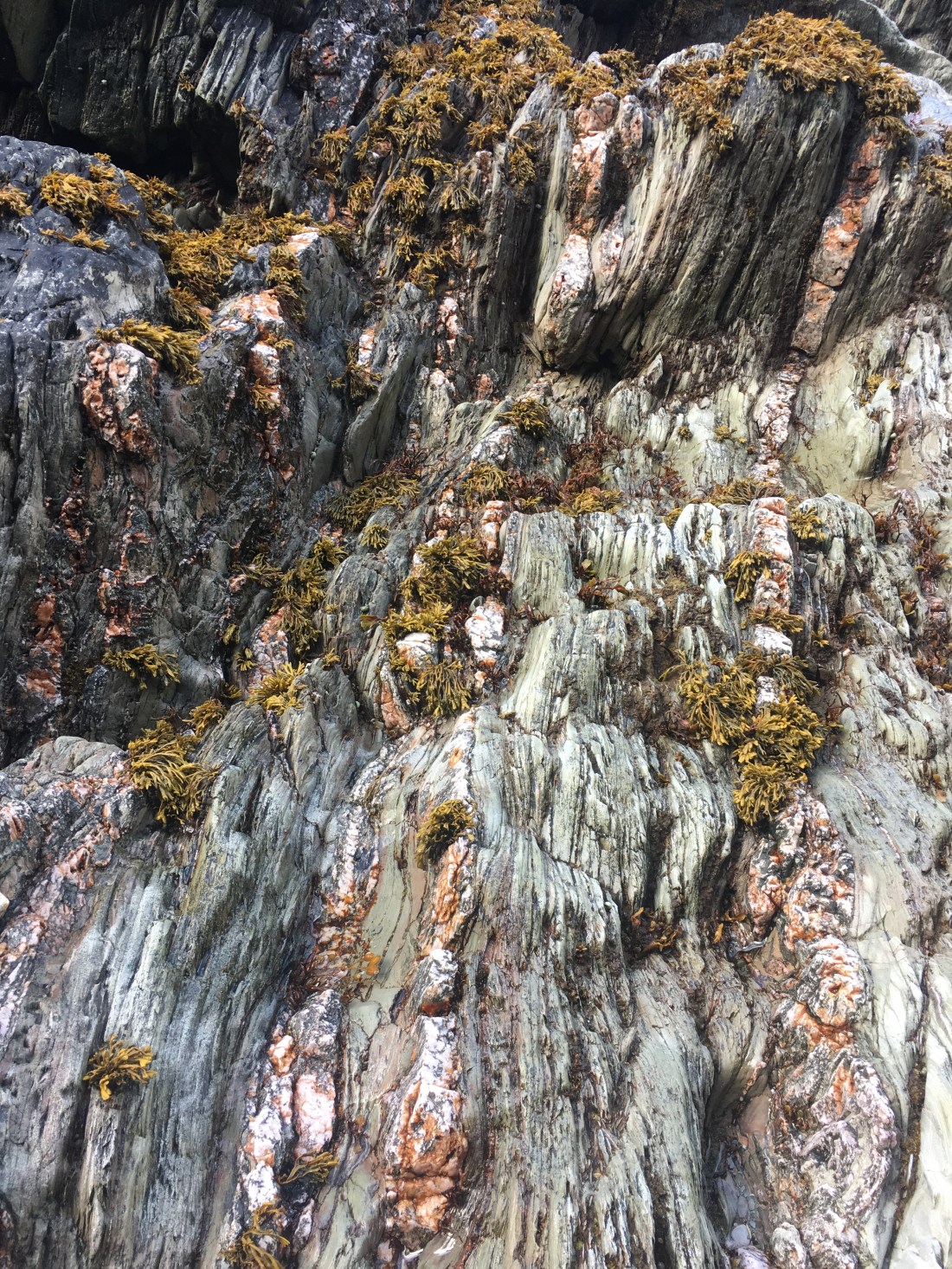
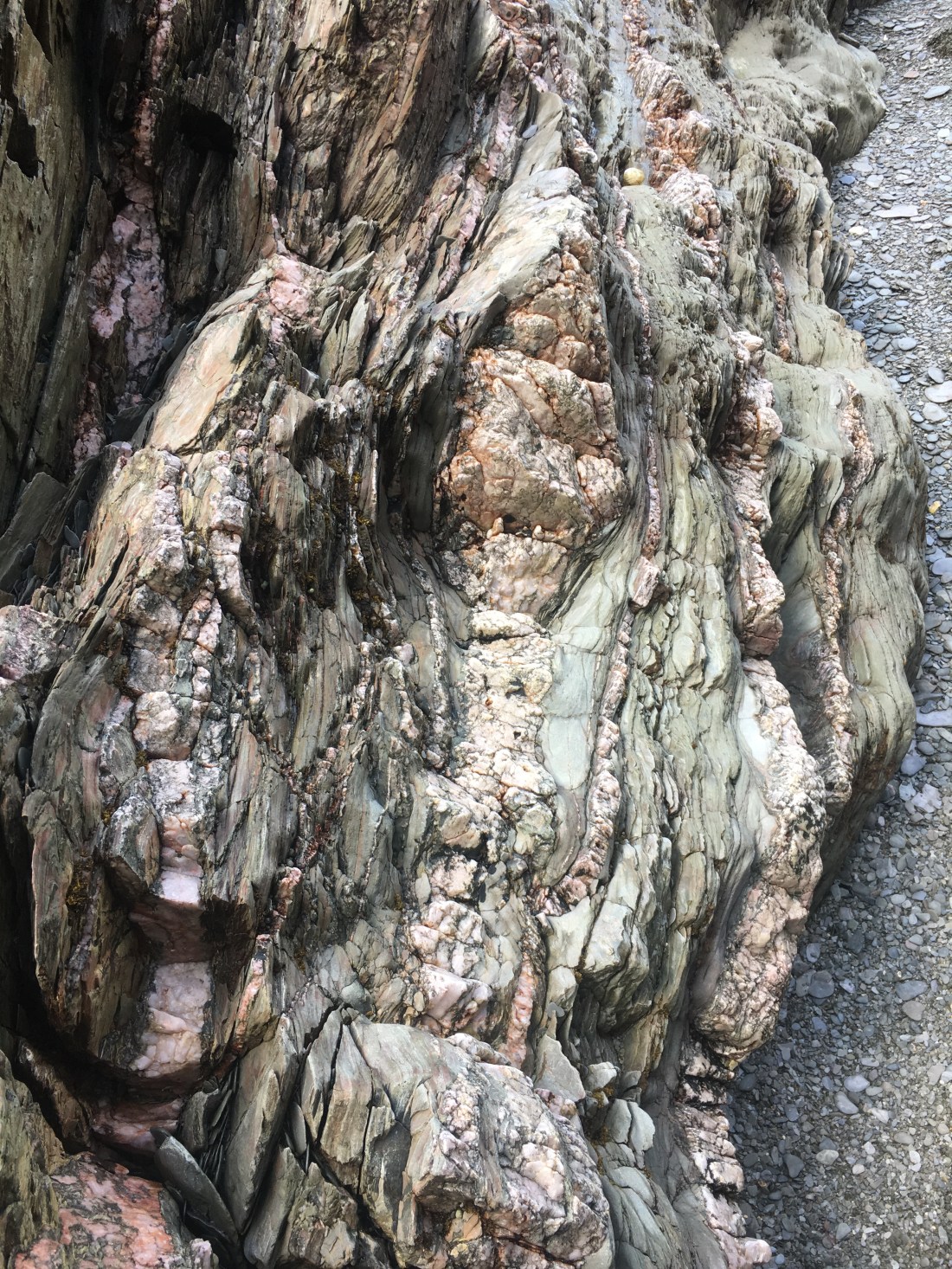
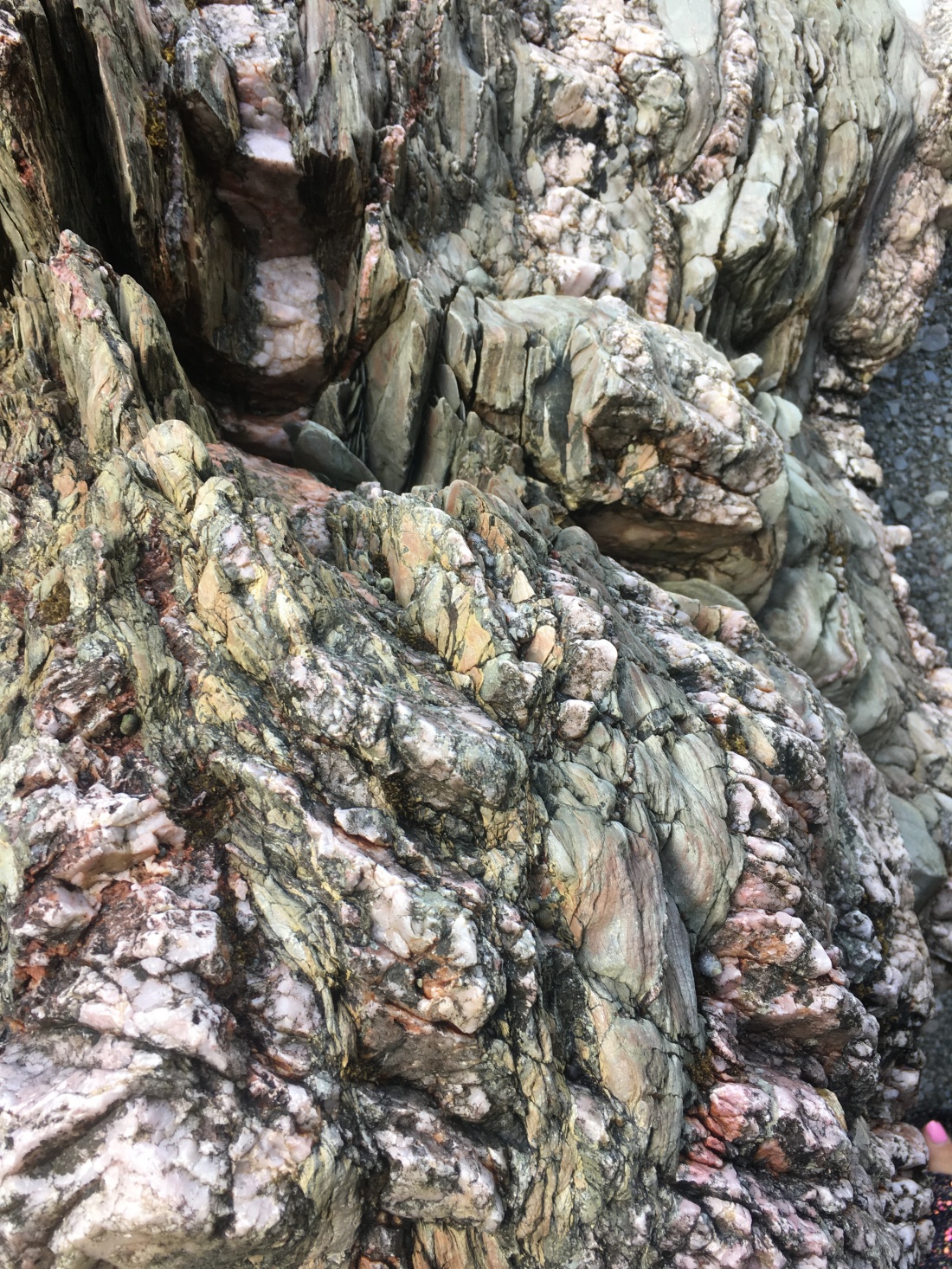
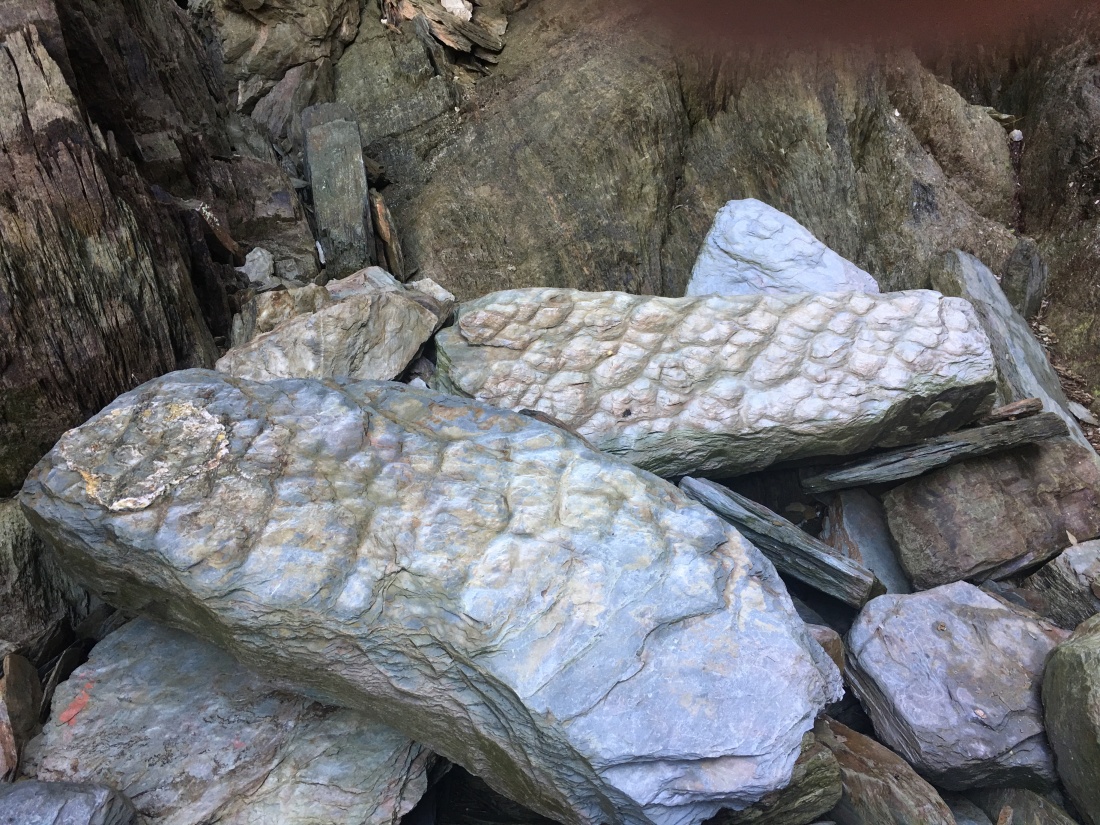
In black and white – 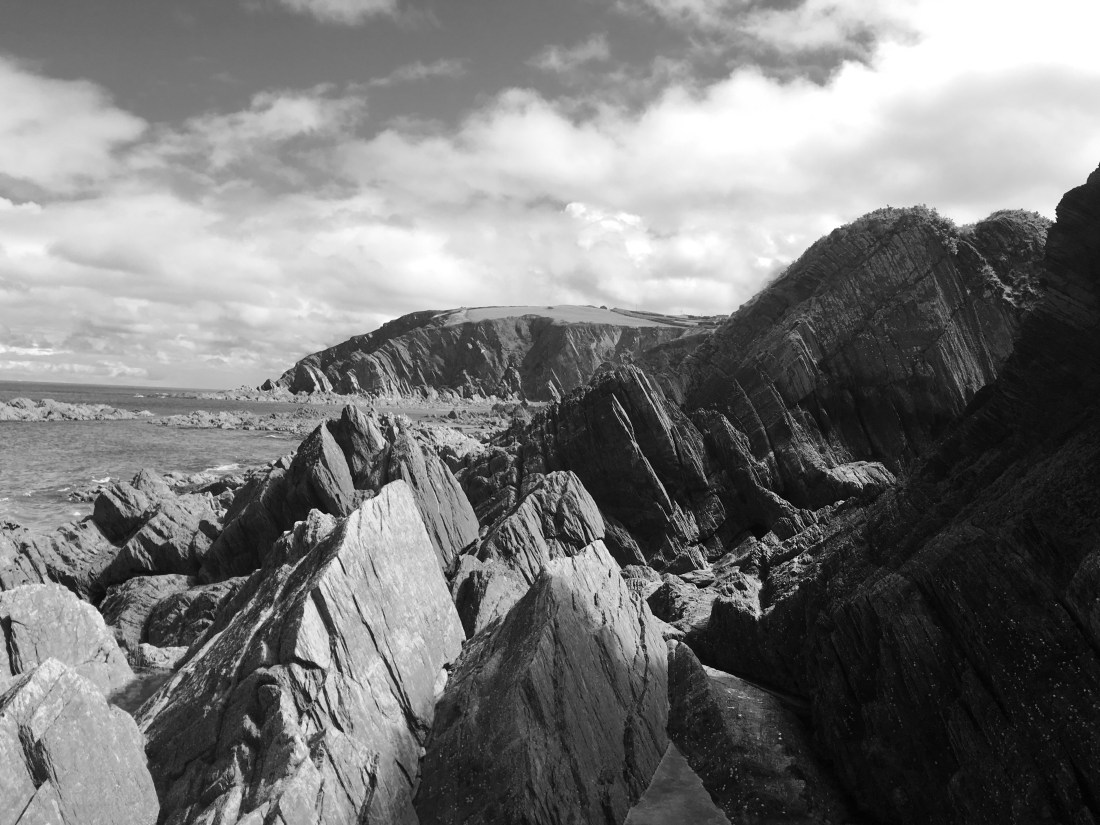
Ansel Adams inspired photos from Iceland:


But some photos are better in colour as they show the landscape in greater detail:


Steve Mccurry
Afterwards I went to Selfridges Department Store on Oxford Street and found an amazing Photographic Section in their Book Department on the Lower Ground Floor, including anthology’s of Ansel Adams’ photos. They have the most amazing collection of large scale photographic books on a huge number of subjects. It you have an hour to spare their photographic book department is well worth a visit.

I bought a copy of Steve Mccurry’s book ‘Untold – the story behind the photos’ which is the story of his main photographic journeys and how he captured the photos. He started in 1979 having left his job working for an american newspaper and travelled to India with rolls of black and white film and two cameras (as developing black and white photos were cheaper than colour). During his time in India he met refugees from the Afghan war and was asked by them to travel to their villages to document the destruction of by Government forces. This was the start of his ‘war’ documentation and over the years he has travelled to many such conflicts.

Perhaps his most famous photo is “the Afghan Girl’ which was published on the cover of National Geographic Magazine and whom he traced again 17 years later.
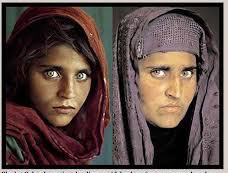
He has a portrait style where the subject fills the frame. The eyes of the subjects are the most important part of the photo and are always looking at the photographer. Mccurry says that while lighting and composition count, the best photographs are those that create a connection. ‘McCurry, known for his heartfelt photographs of citizens around the globe, knows that in capturing universal human elements, his work remains timeless’ – National Geographic. His photos have a real vibrancy, they feel alive even when shot in black and white.


 The Bigger Picture