People And The Environment

_dsc7232


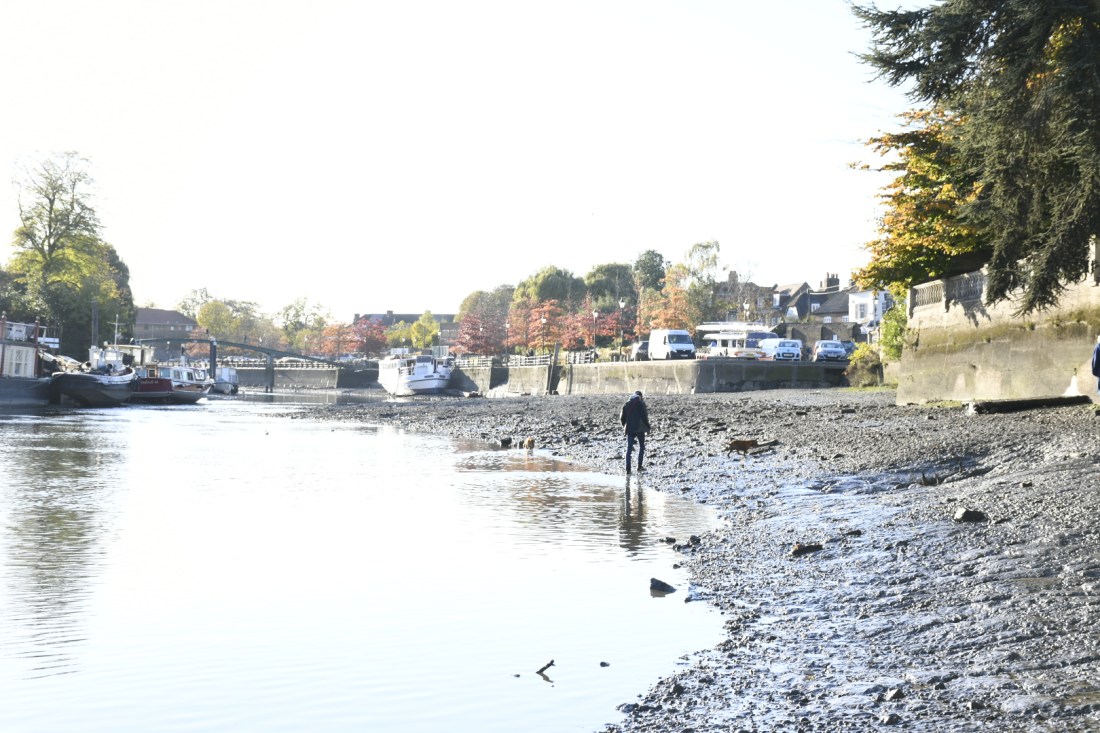
The Thames River at Eel Pie Island in Twickenham is tidal but its water level is also controlled by locks and sluice gates at Teddington and Richmond.  Each year these locks and sluice gates are left open as part of a maintenance programme and the river can fall to its ‘natural’ tidal levels.

This means that on the lee side of Eel Pie Island the water falls so low that the river bed can be walked across to the Island. It also reveals all sorts of items hidden in the mud of the river bed that are usually hidden from view and shows the debris of mankind and what we are prepared to throw into the river.

Philip Lorca d’Corsia

images-19

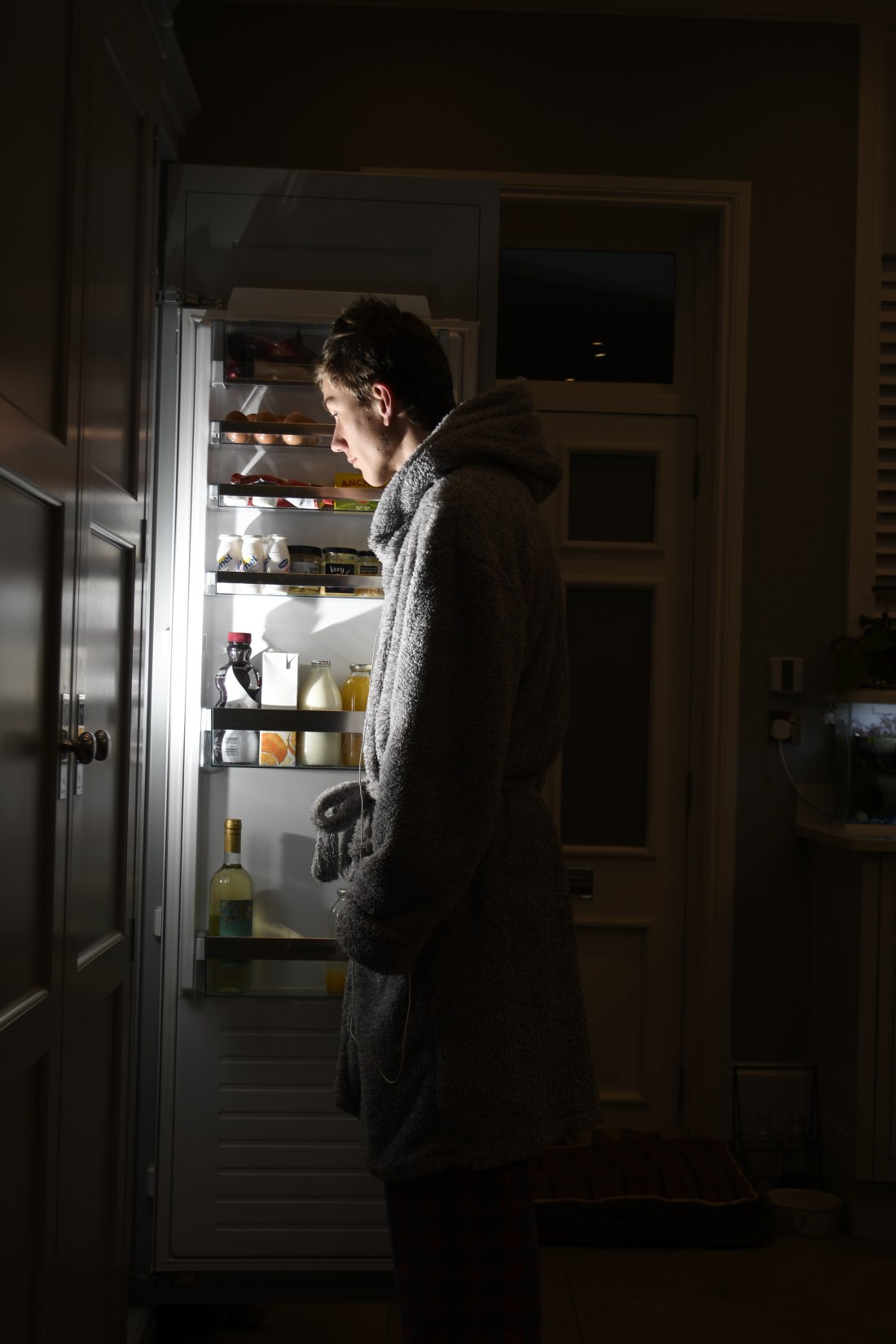
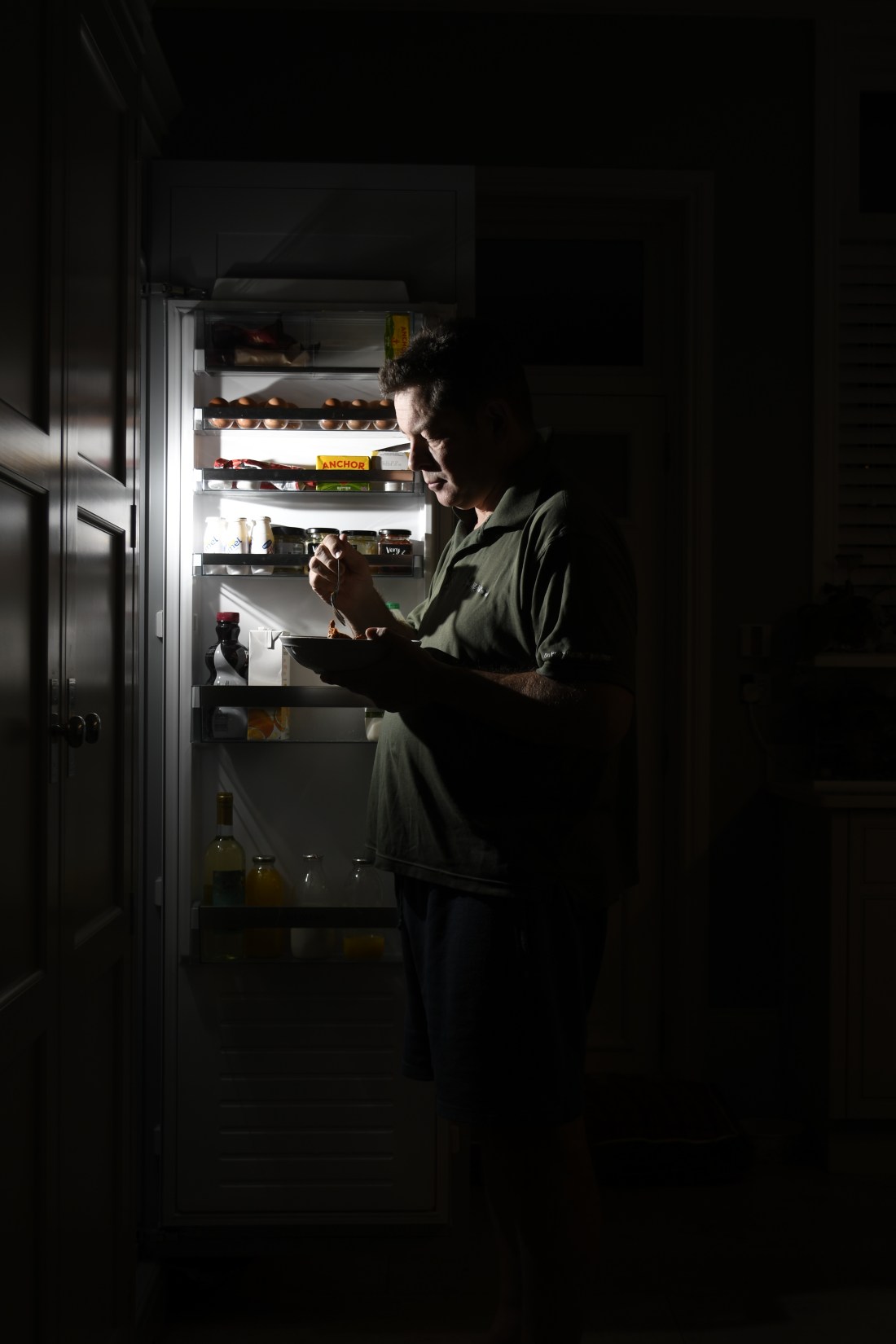
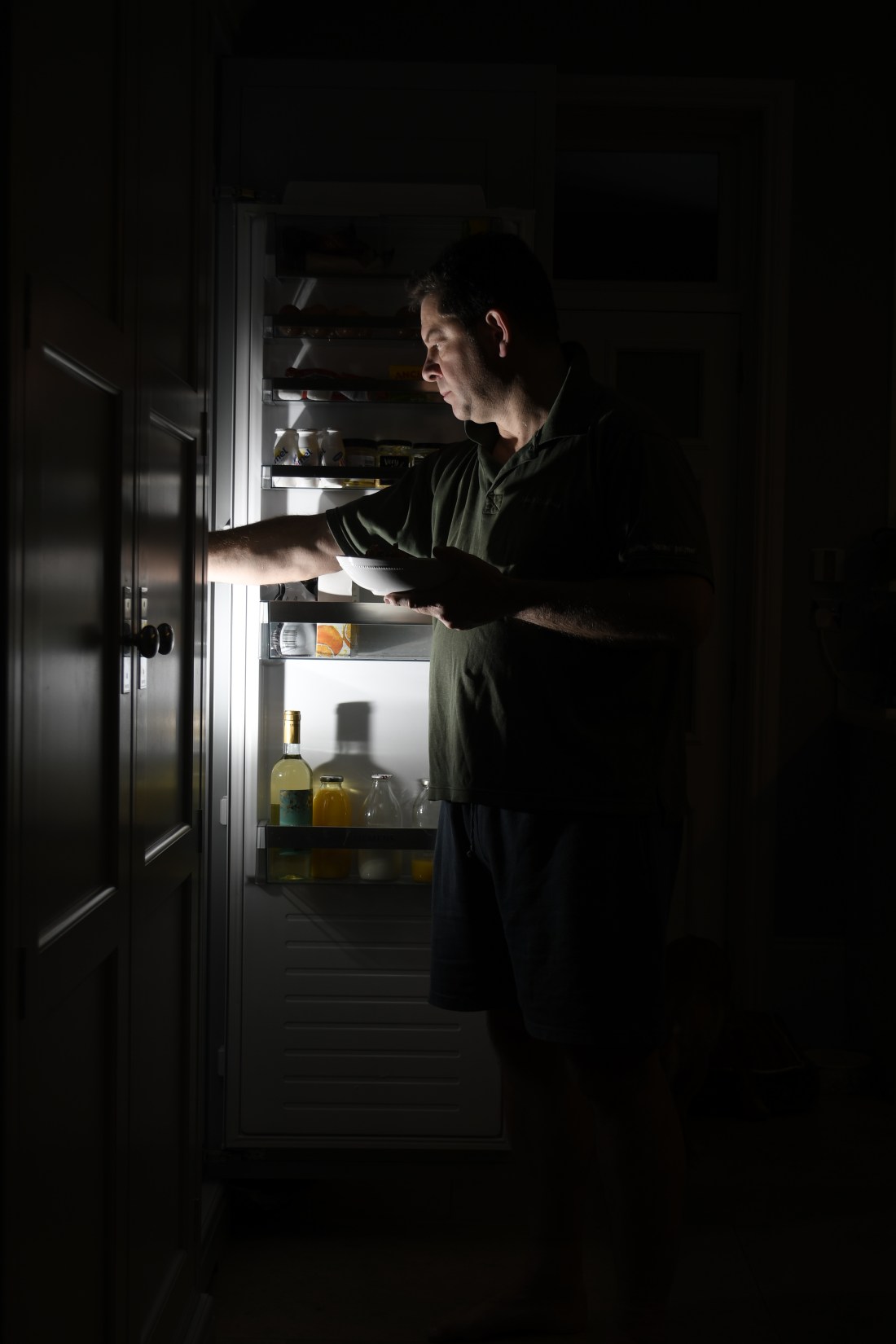
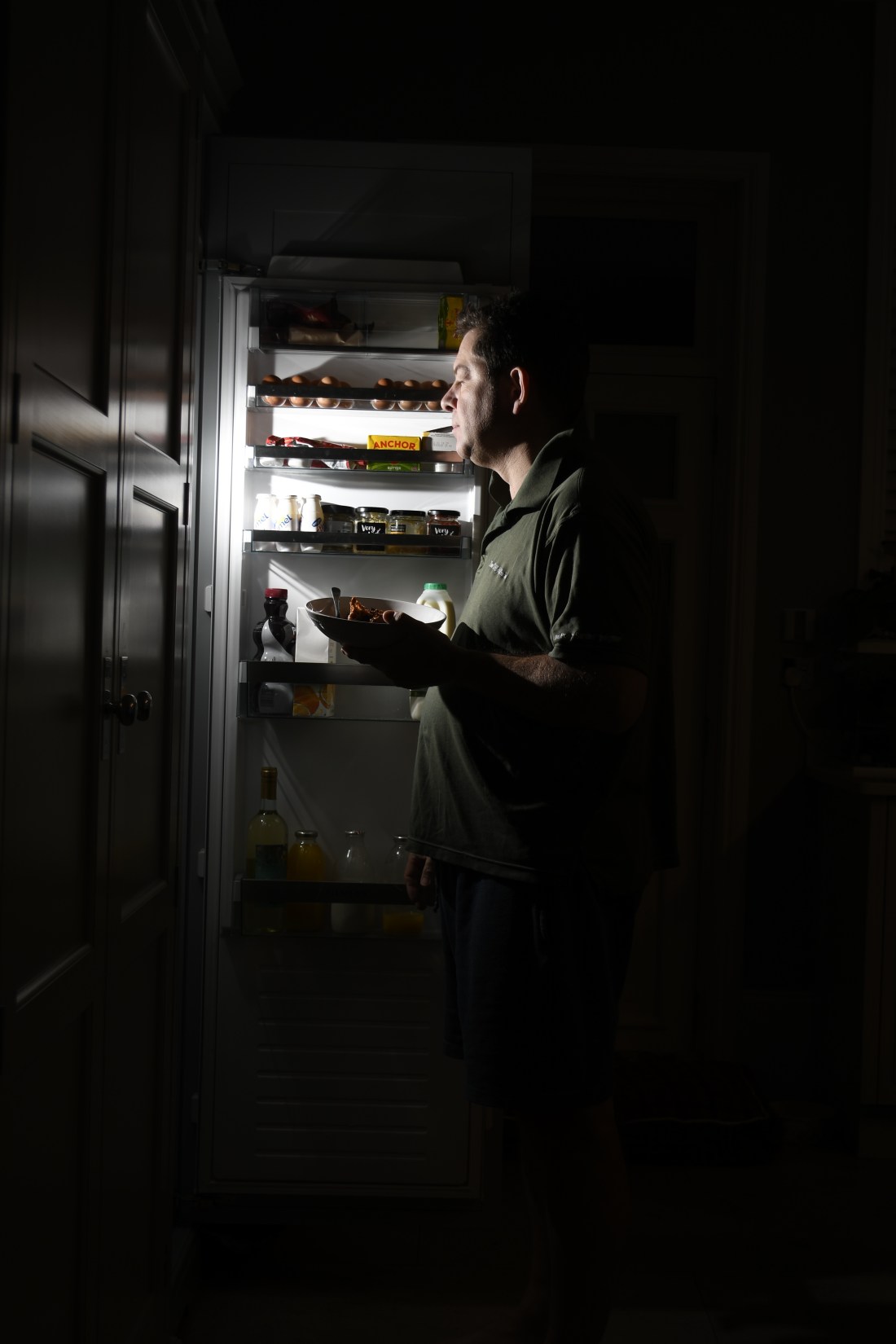
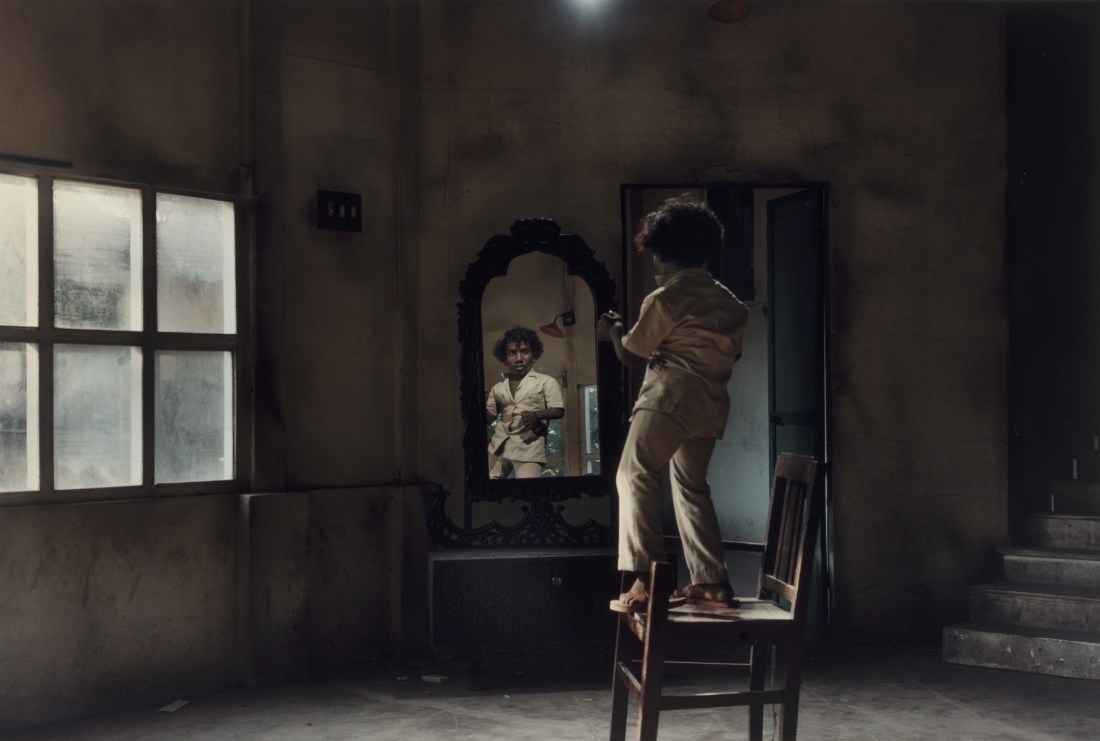
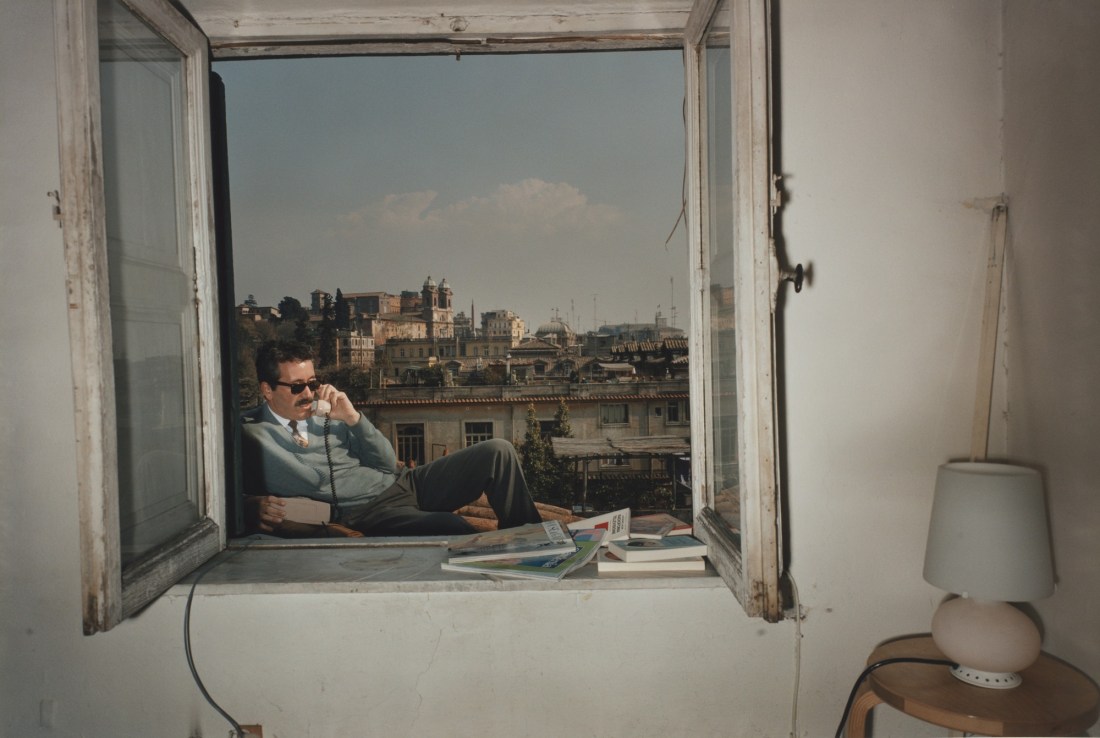
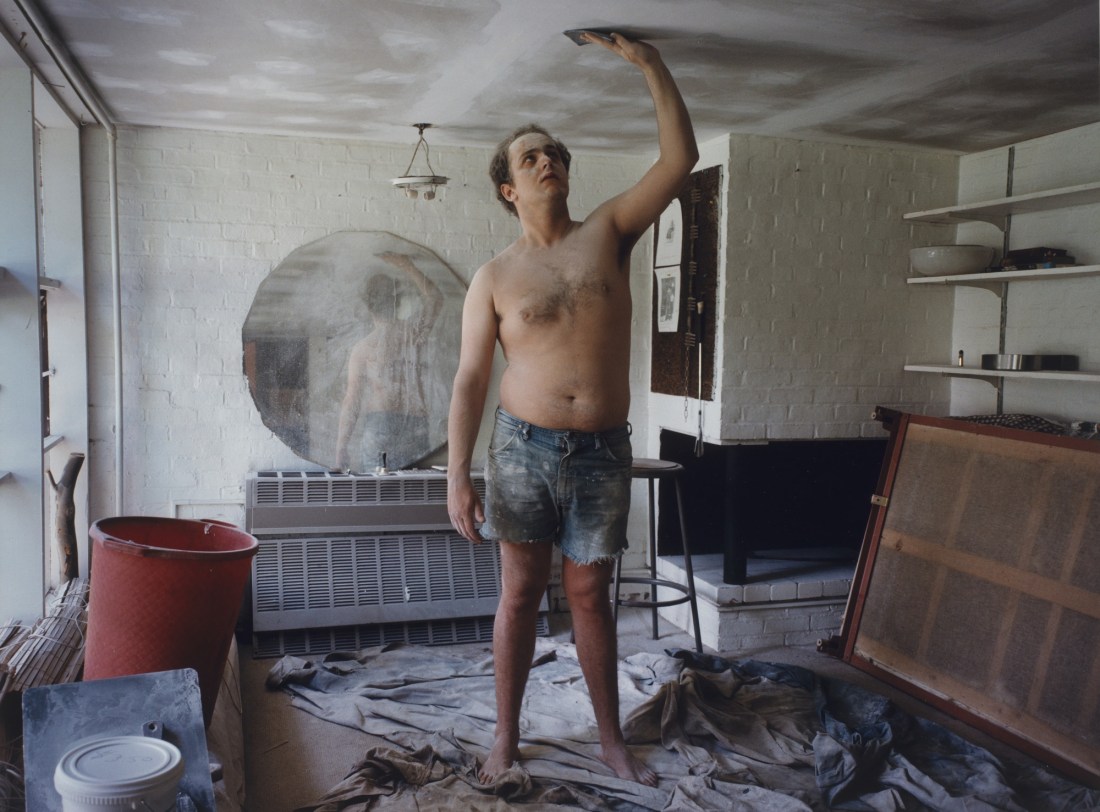
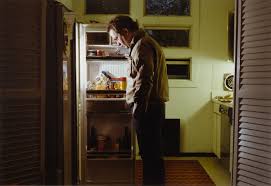
Philip Lorca de Corcia’s photos straddle truth and fiction by combining real people and places but not necessarily people and places that go well together. His images are carefully constructed – he arranges the objects of each scene and devised precise lighting and framing – his work is often described as cinematic. His photos suggest rather than elucidate a full narrative.

Trying to recreate the photo, MARIO 1978, I took photos in the evening when it was dark outside but all the lights in the kitchen were on.  The flash lite was placed on a shelf in the fridge and the fridge door light was on. The light on the worktop at the back right of the photo was meant to come from the bright fish tank light but in the event the only light that was captured was from the flash lite.  I tried different strength of the flash.  Decided I needed studio lights at the back to creat the same effect.  Maybe reposition the flashlite down slightly to illuminate more.

_dsc8449_dsc8439

_dsc8477_dsc8475_dsc8476

Still Life From Paintings

P1, P2, P3, M1, D1

dsc8416.jpg

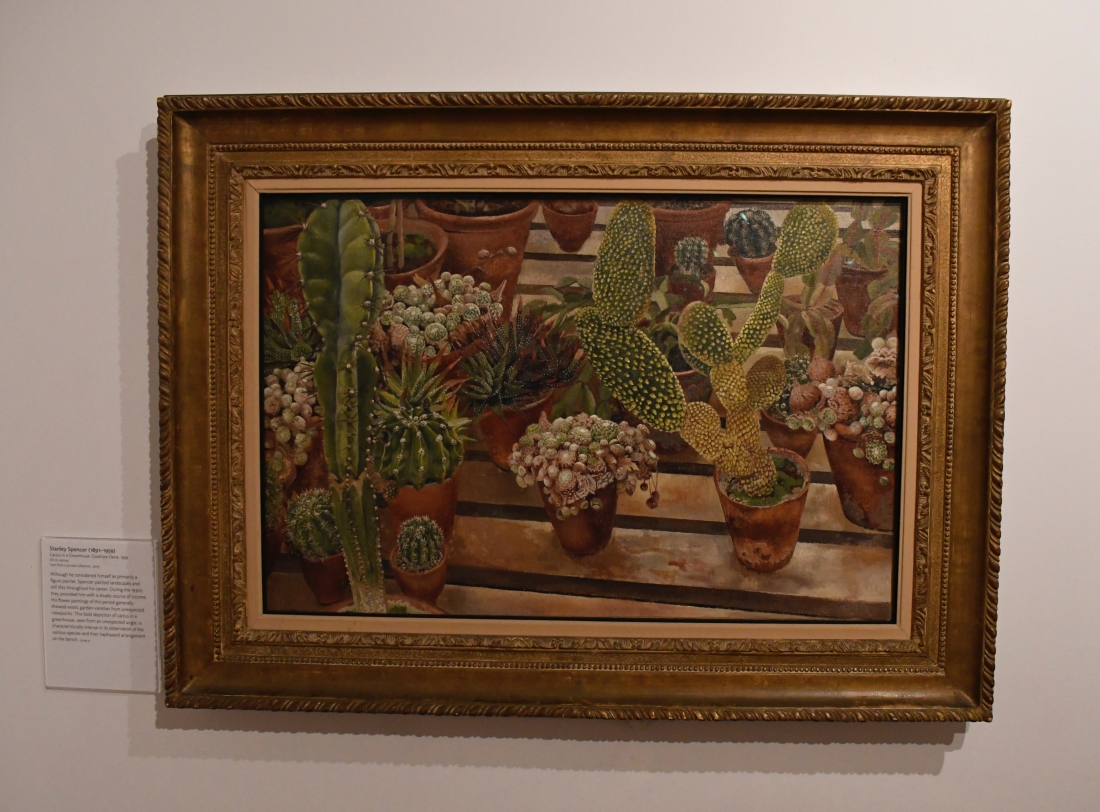
Stanley Spencer (1891-1959) – Cactus in a Greenhouse, Cookham Dene 1939, Oil On Canvas

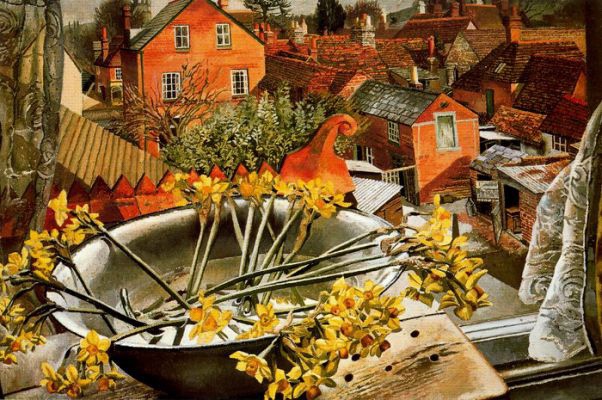
Spencer painted landscapes and still life throughout his career.  His flower paintings generally showed exotic garden varieties from unexpected viewpoints.  This depiction of cactus in a green house is shown form an unexpected angle, and is intense in its observation of the plants and their haphazard arrangement on the bench.

I love the simplicity of the subject – the cactus remind me of my father and his hours spent in the greenhouse. And also the winter months when the cactus were moved into the house to protect them from the cold – usually in wooden apple trays.

dsc8414.jpgdsc8412.jpg_dsc8411

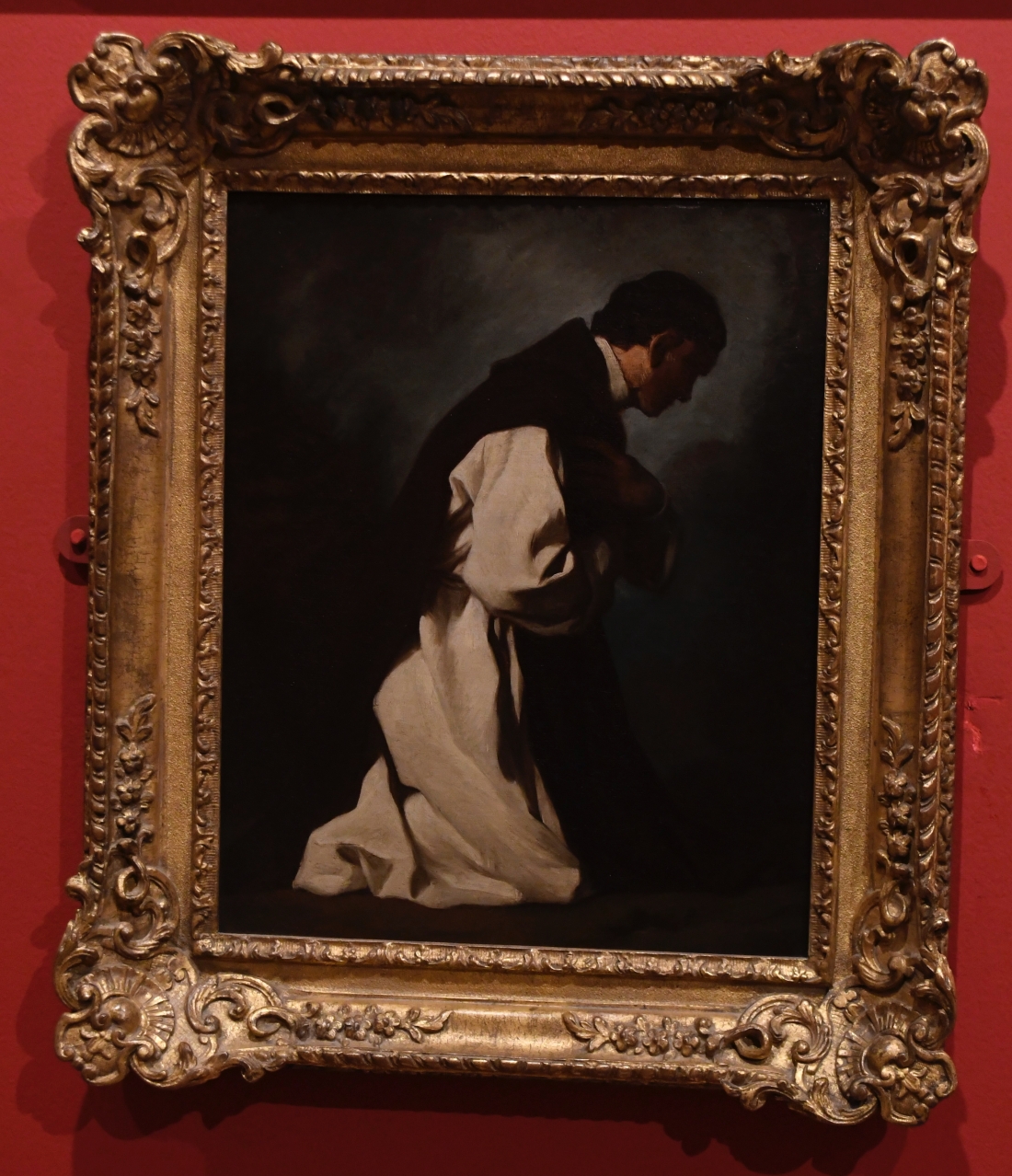
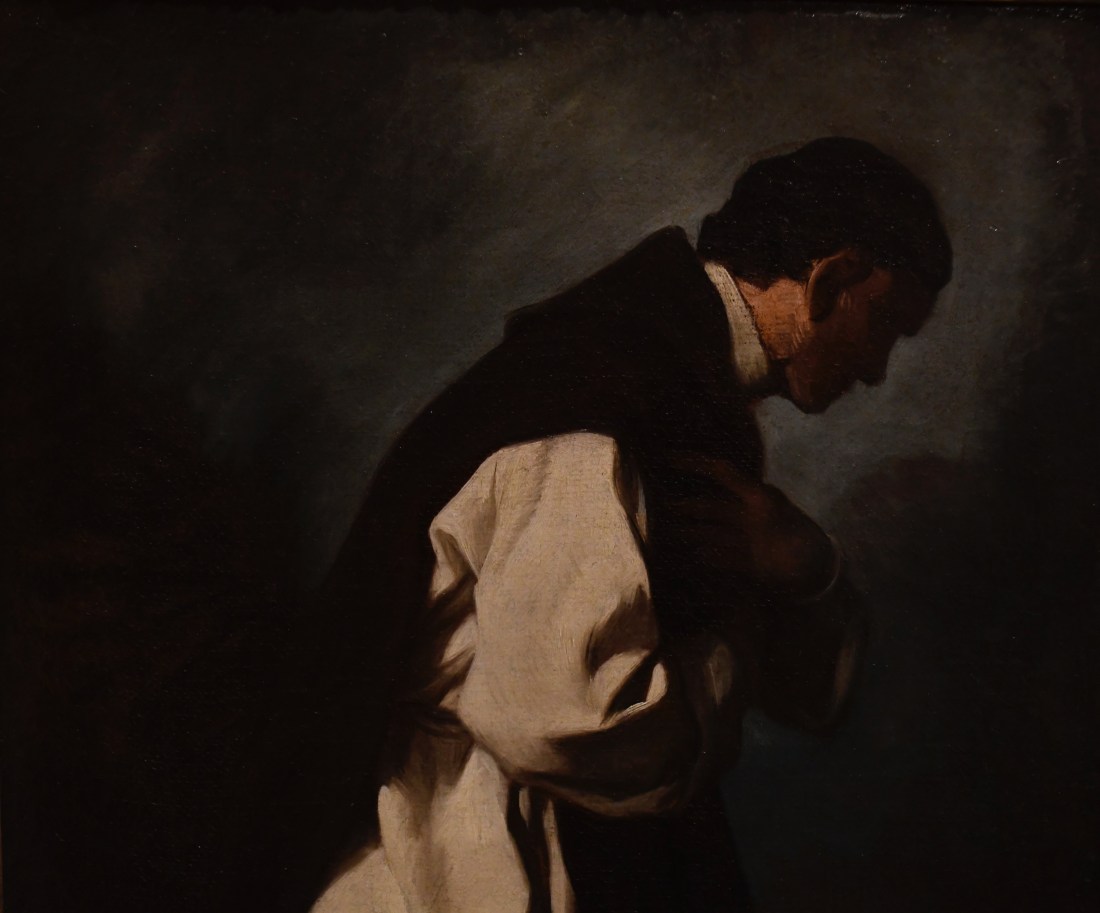
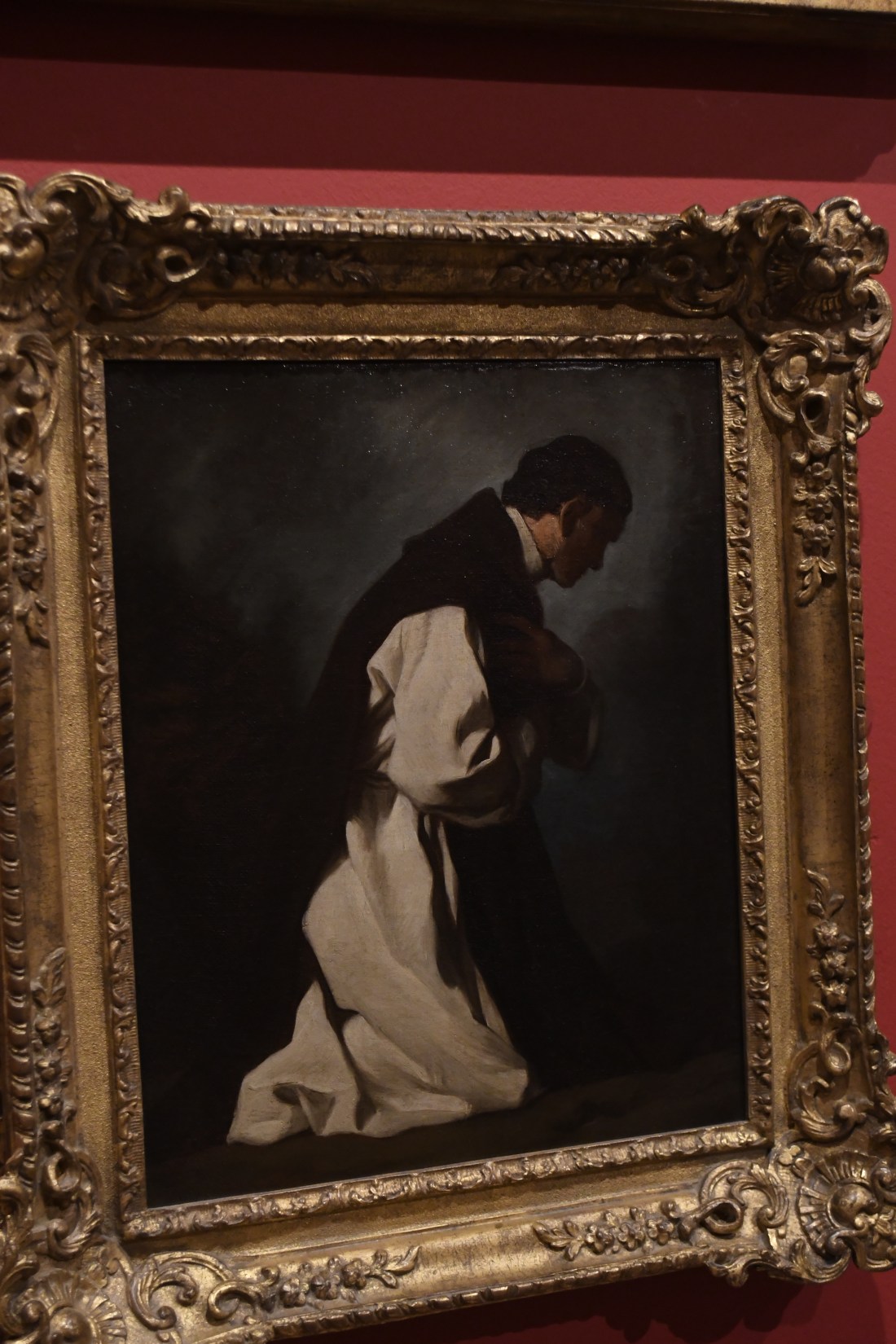
Pierre Hubert Subleyras (1699-1749) – Saint Eusebius 1744 – Oil On Canvas

Richly painted with strong tonalities, this oil sketch conveys a sense of profound spirituality.  The kneeling figure would appear as a large scale altarpiece that Subleyras painted for the church of Saints Cosmas and Damian in Rome, depicting the crucified Christ with Mary Magdalen.

Subleyras studied the expressive potential of this half- shadowed figure in a small sketch, giving special attention to the heavy folds of drapery.  The dramatically lit altarpiece displays the same dignity and restraint.

I love the light behind the subject’s head. It has a religious tone but also appears as photographic studio lighting with a black background. At first glance it could be a photo rather than a painting.

Cruel And Tender

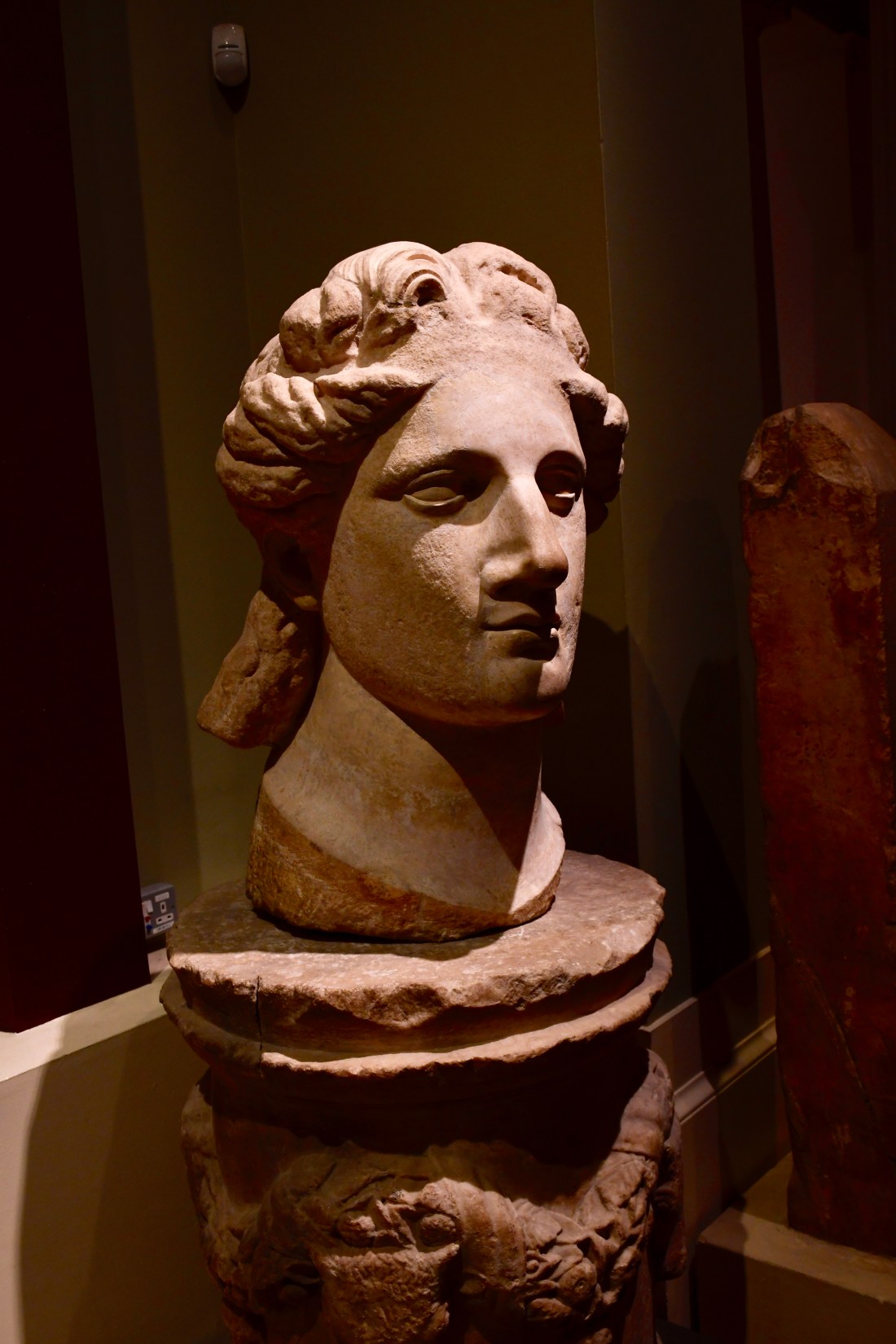
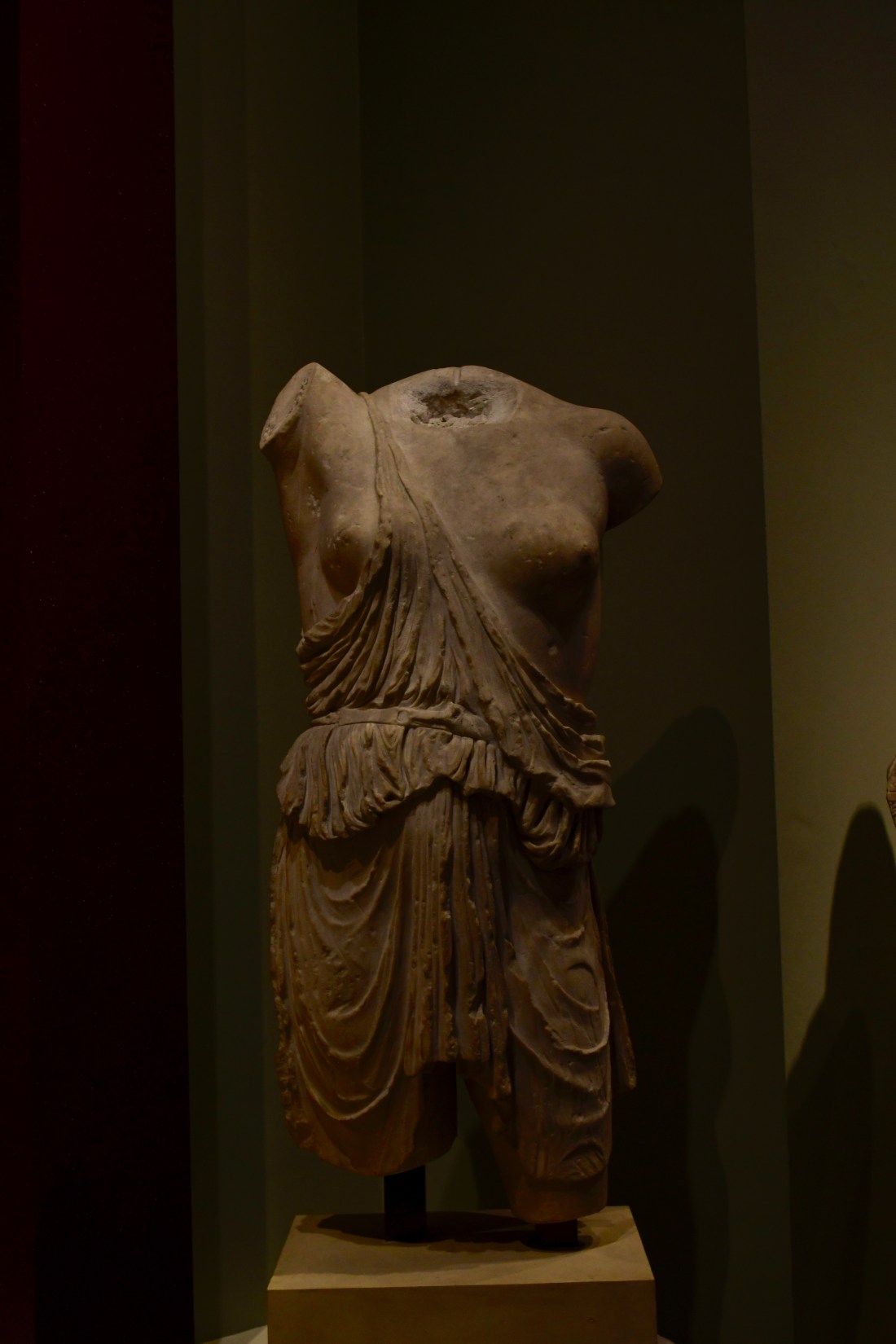
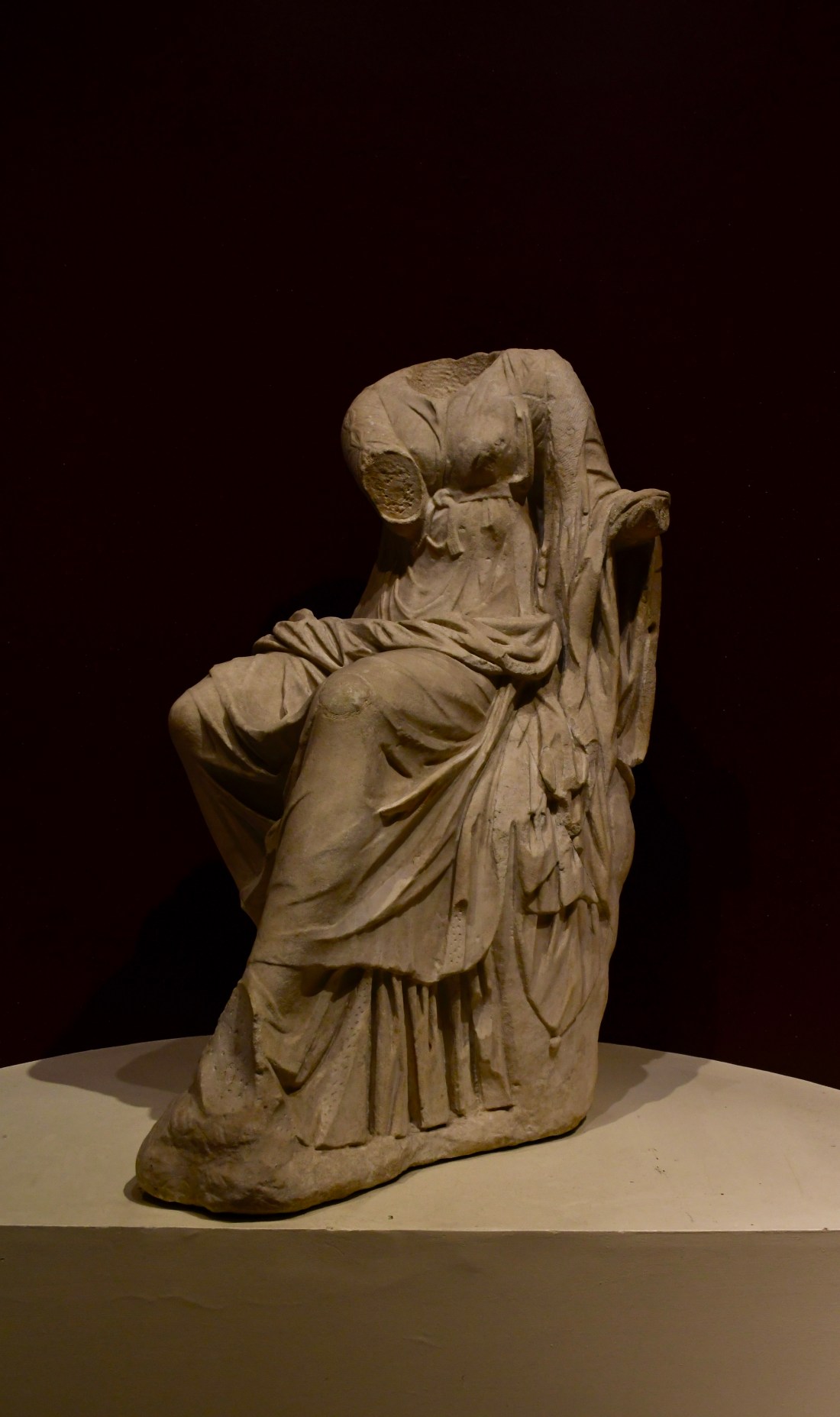
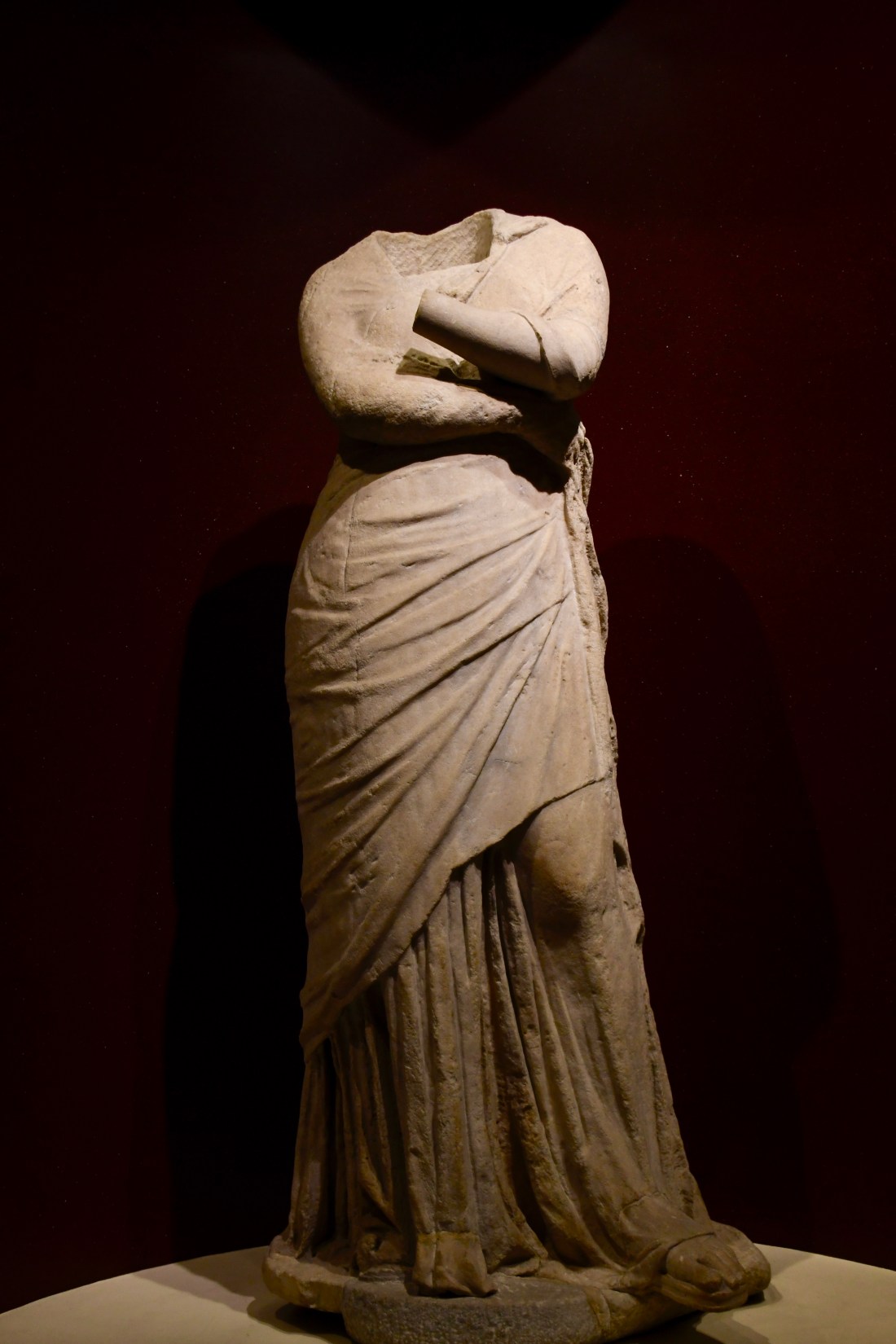
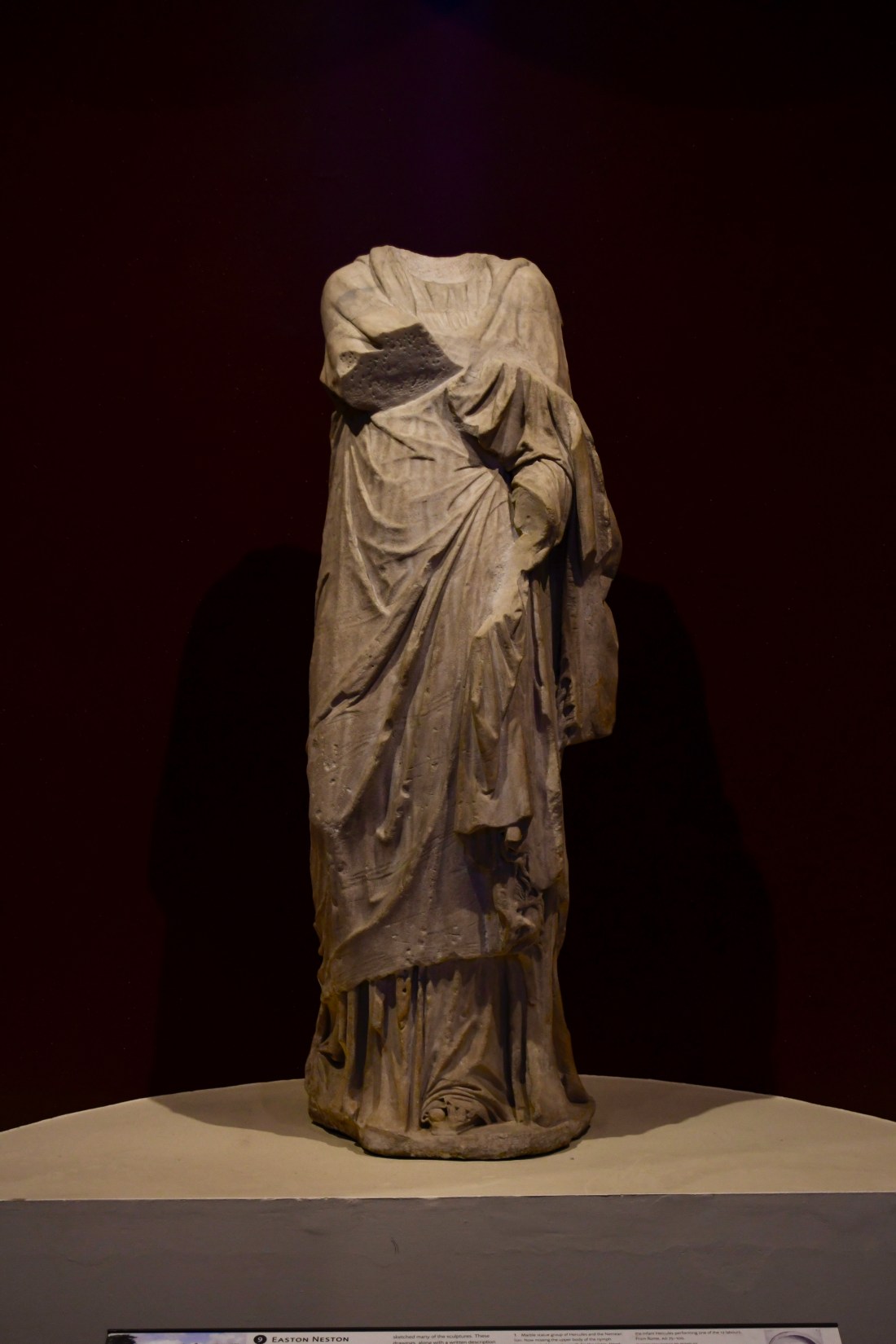
Marble statutes once regarding as being of great beautiful standing in Rome have been neglected, ‘improved’, and now stand in a museum in Oxford in all their neglected glory.

fullsizeoutput_559f

‘The sculptor’s column, and the breathing bust, Stand here, deliver’d from oblivion’s dust’

From A Poem on the Pomfret Statues, written to commemorate the Countess Of Pomfret’s gift to the University of Oxford in 1755.

Athena, Minerva, Dionisysis – these Arundel Marbles are Roman in origin and date from 50BC when they were built to adorn buildings in Roman and were regarded as being of great beauty.  They are now on display at the Ashmolean Museum in Oxford having been gifted by the Countess Of Pomfret following the death of her husband the 2nd Earl of Arundel who had collected them during the early part of the 1700s.

Part of the collection were used to decorate a country house in Northamptonshire,  others were used to decorate a pleasure garden in Vauxhall, London known as Cupid’s Garden.

During the 1600s and 1700s many of the marbles were ‘improved’ with restorations in particular by Giovanni Guelti.  These ‘improvements’ were removed when they arrived at the Ashmolean, and the marbles are now displayed with limbs missing but are still beautiful almost 2,000 years later.


fullsizeoutput_5591_dsc8379fullsizeoutput_559efullsizeoutput_559bfullsizeoutput_55a0dsc8387.jpgfullsizeoutput_55a3_dsc8396


When photographing in a Museum or other busy public space it is really important to be aware of other members of the public and photograph not only considerately but also with great care and patience.  Do not walk backwards to frame a shot unless you have checked that the way is clear.  Always be aware of your surroundings and other people present.

Camera Settings – Week 3

Histogram

HIGHLIGHT ALERT can be used in camera and also in photoshop, lightroom and camera raw to show the overexposed areas in a photo.  If shooting in Raw you can then improve these overexposed areas.

The Highlight alert is a very visual representation of any over exposure in a photo.

Photoshop has two triangles in the top of the histogram which are the shadow alert, on the left hand side and the highlight alert on the right hand side.

Photoshop Tutorial – When you’re making changes to your images in Camera Raw, it’s important that you keep your eye both on the image as well as the histogram, because if you’re making changes, you don’t want to be pushing any of the values in your shadow and your highlights to pure black or pure white.  Or if you do do that, you want to make sure that you know that you’re doing it. But because it’s hard to look in both places, there are two icons that will allow you to see your clipping. So if you toggle on the one on the left, that’s going to show our clipping warning in the dark shadow areas, and the one on the right is going to show the clipping of the highlights, or the light areas of the image.  The keyboard shortcuts for this are the U key toggles on and off the one for the darks, which is the underexposure and the O key toggles the highlight warning for the light areas, which would be the overexposure. You can then adjust using the black and white sliders.

HISTOGRAM is a statistical representation of the greyscale.  It shows how the pixels are distributed by graphing the number of pixels at each of the 256 brightness levels in an image. These brightness levels include black and white.


Black                                Shadows                                 Exposure                                   Highlights

The photo is underexposed if the histogram touches the Black end of the line, and overexposed if it touches the highlights end of the line.

Some photographers view the histogram on the back of their camera LCD screen after each shot – mostly to check whether there are any tones at the extreme edges (black/underexposed or white/overexposed) as this will indicate a loss of detail in dark or light areas.

There is no right or wrong histogram – it is quick reference to tonal references.

Definition – An image histogram acts as a graphical representation of the tonal distribution in a digital image. It plots the number of pixels for each tonal value. By looking at the histogram for a specific image a viewer will be able to judge the entire tonal distribution at a glance

LIGHT METERING measures the middle grey of an image and uses this measurement as the mid point for the exposure. Very important to ensure that the image is correctly exposed.  Use a grey to se the light meter.

COLOUR CHANNELS RGB can be switched off in photoshop to get different hues.  In same way that Sergie Gorsky developed his three lens camera and James Clark Maxwell 1855 discovered the three light spectrums to create the first colour photos and his cameras effectively do the same as DSLRs today.
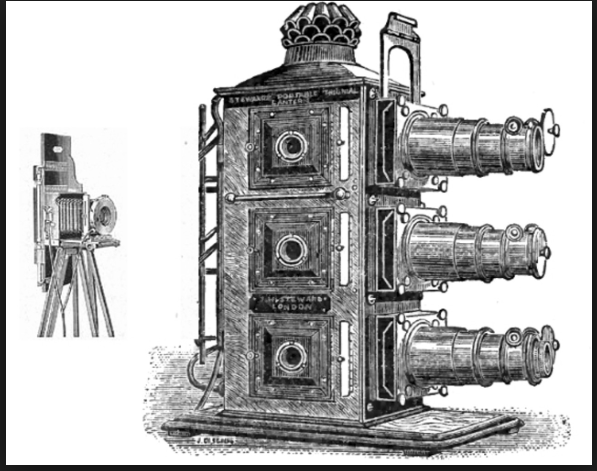
Gorskey Camera

In the photos below you can see how the three images are overlaid and produce the colour image.
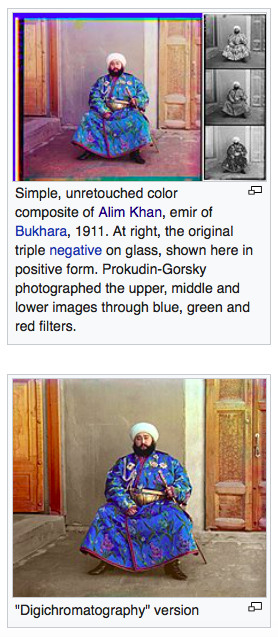
Prokudin-Gorsky

Untitled


RAW vs JPEG – in nearly all circumstances (apart from high speed shooting) all photos should be taken in RAW.

Raw will capture the greyscale  – white and black

1 Bit colour =2(1)  = 2 Black and White

2 Bit colour = 2(2)  = 4 black and white and 2 greys

3 Bit colour = 2(3)  = 8 black and white and 6 greys

8 Bit colour = 2(8)   = 256 black and white and 254 greys.

etc

higher numbers = more greyscale = richer photos.  Use 8 bit colour for black and white photography to ensure richer greys and better black and white printing.

RGB channels = each channel has 256 scales so when you add them all together

Red 256 x Green 256 x Blue 256 = 2  = 16384 greyscales so much greater detail in RAW.  JPEG only 256.

When working in photoshop choose higher BIT channel as more details are recorded in the the image.

open – image – mode – channel

Can only adjust colour and tonal range

Cannot print in 16 bit – have to save as 8 bit

To print big size prints save RAW to TIFF – as TIFF will print better tonal values and keep the quality.  TIFF files are very large in size compared to JPEGs because no compression is used.

Lossy Compression: Lossy means with data loss. JPEG compression does discard some image data based on the amount of compression used.
 

DON MCCULLIN


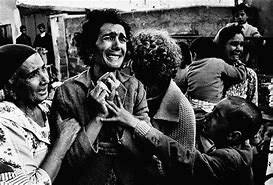
Don McCullin’s career as a photographer of conflict has covered much of the latter part of the 20th Century. He photographed his life in Finsbury Park in 1950s, construction of the Berlin Wall, wars in Cyprus, Biafra, Vietnam, Cambodia, Beirut, London Derry, and famine in Bangladesh.

110815130001

All this photos, despite the desperate circumstances, are photographed with compassion, allowing us to glimpse the unbearable, documenting human conflict and its attendance grief.

Undeniably a brave man, wounded several times whilst photographing conflict,

McCullin, an artist at school, combines the elements in his photography with the eye of a painter. He has a trademark of darkness of printing and of black and white but he creates a mood,

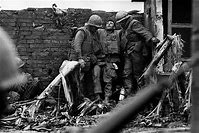
Harold Evans describes ‘decisive moments’ which should be reserved for those few photographs that offer both a story and a picture, that provide a dramatic and a visual climax in the natural co-ordination of shapes, lines and values. McCullins’ photos have these desivive moments – a US army medic comforting a wounded two year old, the line of a Turkish boy’s arm and hand reaching up to his mother on news of his father’s death.

th

Luck may come into decisive moments. Coming on a father and two sons lying in their blood in a house in Cyprus, he writes, ‘I felt as if I had a canvas in front of me and I was, stroke by stroke, applying the composition to a story that was telling itself.  I was, I realised later, trying to photography in a way that Goya painted or did his war sketches’

The shot of solders running along the Derry Road would have been dramatic on their own but with the woman at the doorway the shot is shocking.

McCullin’s photo of a shot Marine helped onto his feed by two friends, was McCullin said, resembled a painting of Christ being taken down from the cross.

th-2

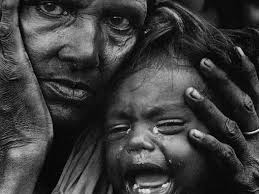
From his early photos of photographing people in Finsbury Park against their wallpaper – he does not invade privacy, they are not preyed upon, he involves them in his photos..  His subjects look into the lens – the man working in the iron foundry far from his native Bangladesh, the African father holding his starving child.

images-17

McCullins portraits have a deceptive simplicity. They are sympathetic but not sentimental.  They do not make political points. They feel the subjects price, their sorrow and their terror.

Photography for me is not looking, it’s feeling. If you can’t feel what you’re looking at, then you’re never going to get others to feel anything when they look at your pictures

— Don McCullin


Susan Sontag – Witnessing

In modern society, photographic images are the principal access to realities of which we have no direct experience.

For a war, an atrocity, a pandemic, a natural disaster to become a subject of concern, it has to reach people through the internet, television, magazines, newspapers.

The upsetting photography have the quality of being memorable – that is, unforgettable.

The photo is like a quotation or proverb – easy to retain.  All of us mentally stock hundred s of photographic images, subject to instant recall. Don McCullin’s image of the shock shocked marine from the Tet Offensive in Vietnam.

Photographs identify events.  Photographs make events important and memorable.  Narrative makes us understand but photographs make us remember.

In photojournalism, sometimes labelled ‘concerned photography’ or ‘the photography of conscience’  no-one has surpassed in breadth, directness, in intimacy and unforgettability the work of Don McCullin. He brings back news from Hell, he wants to sadden, he was to arouse.

There is thought that images no longer have the impact that they once had.  Michael Ignatieff has written that ‘war photography, thanks to TV, has become banal.  We are flooded with images of atrocity on a daily basis and they become transmute.   But it is also essential to enlighten the world, to make people aware of what humans are capable of .  The atrocious images should haunt us. They may only be snap shots of the full reality but they perform an immensely positive function.  The images says ‘keep these events in your mind.’  the image is an invitation to pay attention, to reflect, to learn.

They provoke questions – Who caused what the picture shows? Who is responsible? Is it excusable? Was it inevitable? Is it an event we should be challenging?  Photographs can start us on our way to asking these questions.

Photographic Equipment – P1 and P2

Camera Basis Equipment

Camera body, case, choice of lens, shoot in RAW and jpeg (as a backup), always carry spare batteries, and extra SD cards.

SD Cards

Use cards with a smaller capacity or don’t completely fill a large capacity card.  Choose a card with a high ‘C’ rating (processing speed – essential for shooting bursts or sport) and the highest ‘U’ numbering (most recent models).  The transfer rate MB/S it the image transfer rate – again choose the highest available.

Recommend: smaller memory cards, simply use more and catalogue their storage.

Lens Choice

Ideally shoot with a prime lens.  You will then really learn how to use your camera and

‘learn what the camera sees’

Perfecting shooting with a prime lens will create sharper, clearer pictures.  Zoom lenses have sweet spots and therefore work better at certain distances.  You have to learn where these are for your lenses.

Mimium focal length of 14-24 otherwise the lenses can create too much distortion of the image.

Filters are essential for landscape photography. MD filters for digital and polarising filters for shooting water, mirror, metallic surfaces as they reduce reflection.  Use an ND variable filter to allow for changes in the intensity.  Colour filters are not important as shooting in RAW colour is added in post production.  Filters will slow down the exposure eg when using flash outside on a sunny day, and help the clarity of water.

Camera Settings

Manual or Aperture settings should be used.  Choose the lowest aperture and the fastest shutter speed combination.

White balance: set to auto.  Can change in post production

RAW files – only records ISO.  JPEG embeds all information immediately into the file so the options for post production are limited.

Bracketing: use for under exposure/normal/over exposure.

Light metering: there are 3 types 1) environment – tests all areas. 2) central – central 25% of the image 3) spotlight – pinhole metering. To set the light meter – focus on a neutral grey using the central light metering, exclude any highlights, keep the settings and take the picture. Can use a light metering app.

Under exposure use for photographic silhouette

Histogram: should how much is over/under exposed.

Histogram Alert: blinking shows the over exposed area.
Focus: autofocus (Nikon AF-S), Lock (Nikon AF-L), Continous Focus (Nikon AF-C), single focusing.

Drive set up: single shots, bursts, continous

Vibration Reductions: VR stabilisation. With off if you are using a tripod as the camera may compensation for a shake that is not there.

Depth of field preview button: product, close up.  Can use a depth of field calcuator app.