M1, M2, M3, M4
For the project to build and photograph a still life set up that would be inspired by a classical painting, I researched the history of still life paintings.
Still Life – Definition
A still life (also known by its French title, nature morte) painting is a piece that features an arrangement of inanimate objects as its subject. Usually, these items are set on a table and often include organic objects like fruit and flowers and household items like glassware and textiles.
The term “still life” is derived from the Dutch word stilleven, which gained prominence during the 16th century. While it was during this time that the still life gained recognition as a genre, its roots date back to ancient times.
History
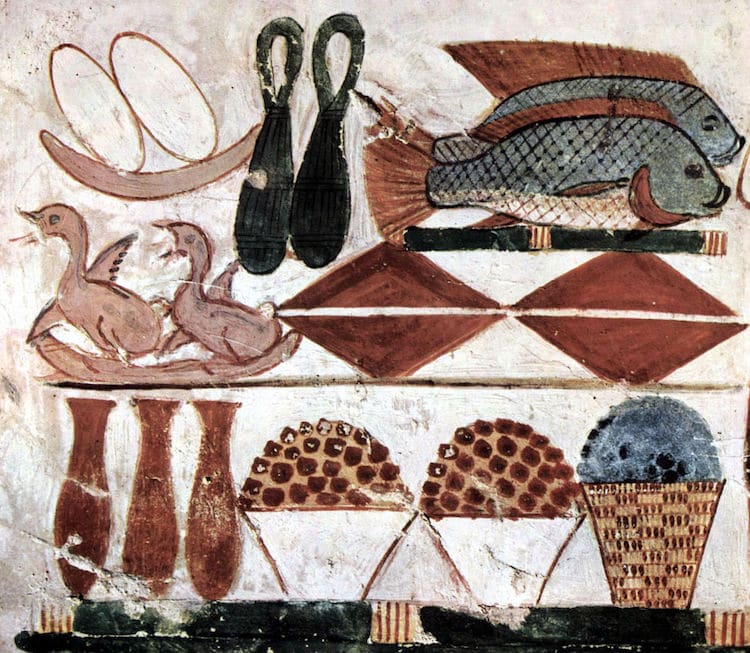
The earliest known still life paintings were created by the Egyptians in the 15th century BC. Funerary paintings of food—including crops, fish, and meat—have been discovered in ancient burial sites. The most famous ancient Egyptian still-life was discovered in the Tomb of Menna, a site whose walls were adorned with exceptionally detailed scenes of everyday life.
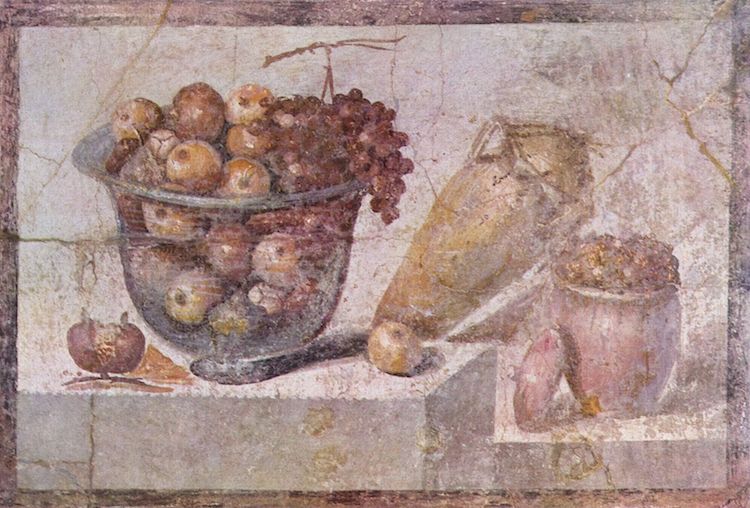
Ancient Greeks and Romans also created similar images of inanimate objects, mainly as mosaics but also as frescoes. This ‘Still Life with Glass Bowl of Fruit and Vases’ is a 1st-century wall painting from Pompeii:
During the Middle Ages, artists adapted the still life for religious purposes. In addition to incorporating symbolic arrangements into depictions of Biblical scenes, they also used them to decorate illuminated manuscripts.
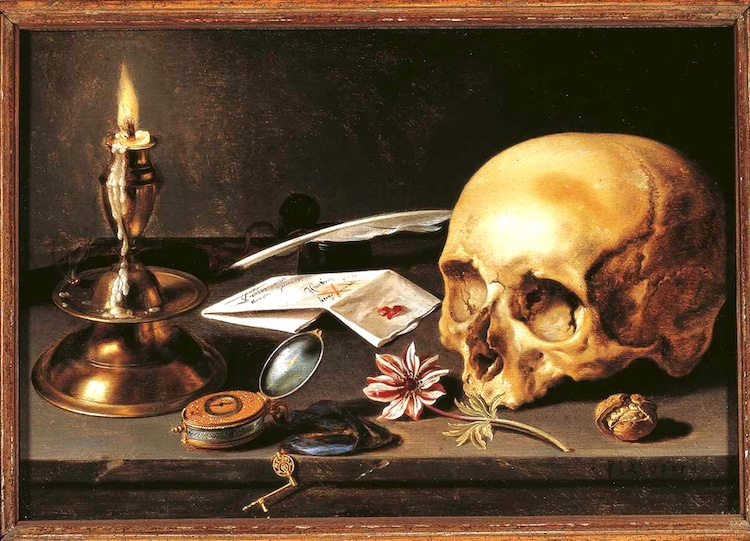
Dutch Golden Age artists took this interest a step further with their vanitas paintings. Vanitas paintings are inspired by memento mori, a genre of painting whose Latin name translates to “remember that you have to die.” Like memento mori depictions, these pieces often pair cut flowers with objects like human skulls, waning candles, and overturned hourglasses to comment on the fleeting nature of life.
MODERN ART
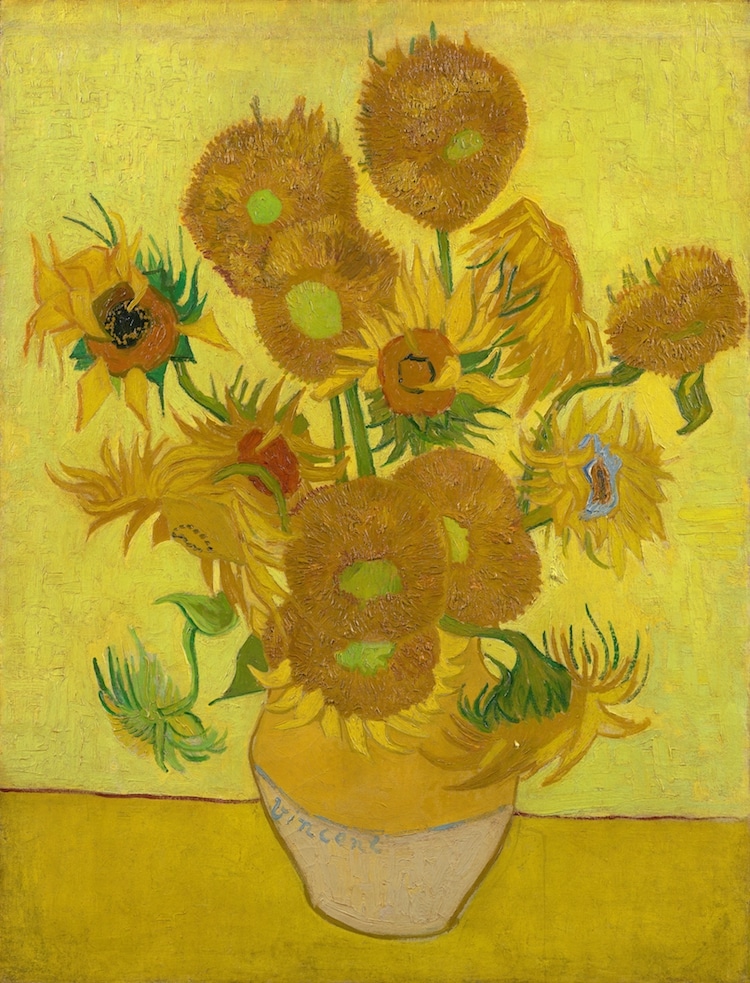
The still life remained a popular genre and during the Post Impressionist period Vincent van Gogh adopted flower vases as his subject.
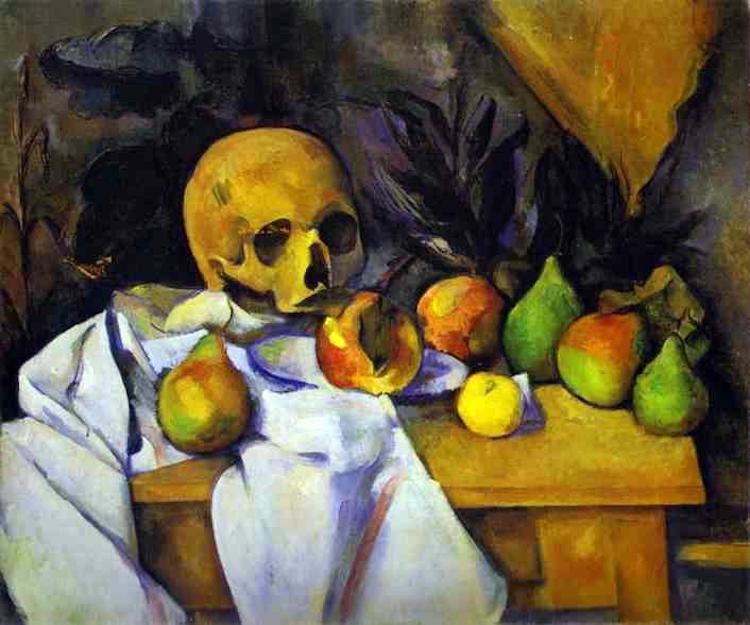
Cézanne’s depictions of still life even pay homage to the vanitas genre by incorporating skulls.
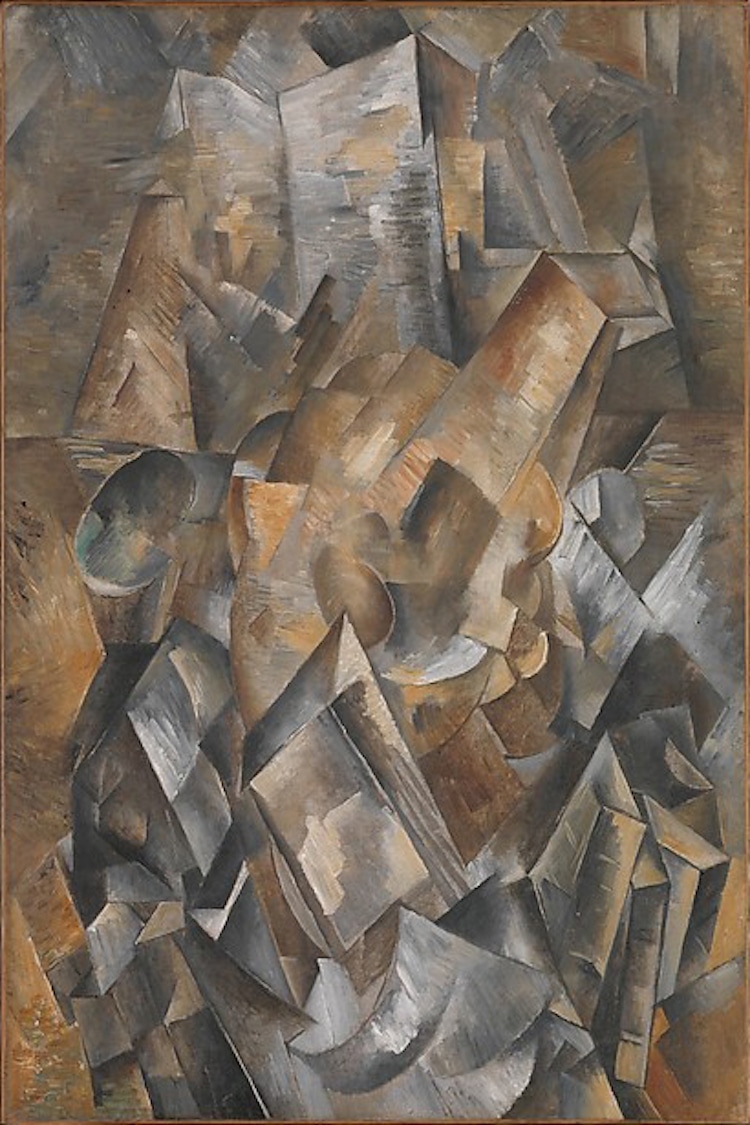
Cubist painters such as Pablo Picasso and Georges Braque painted everyday objects as still life:
Contemporary Art
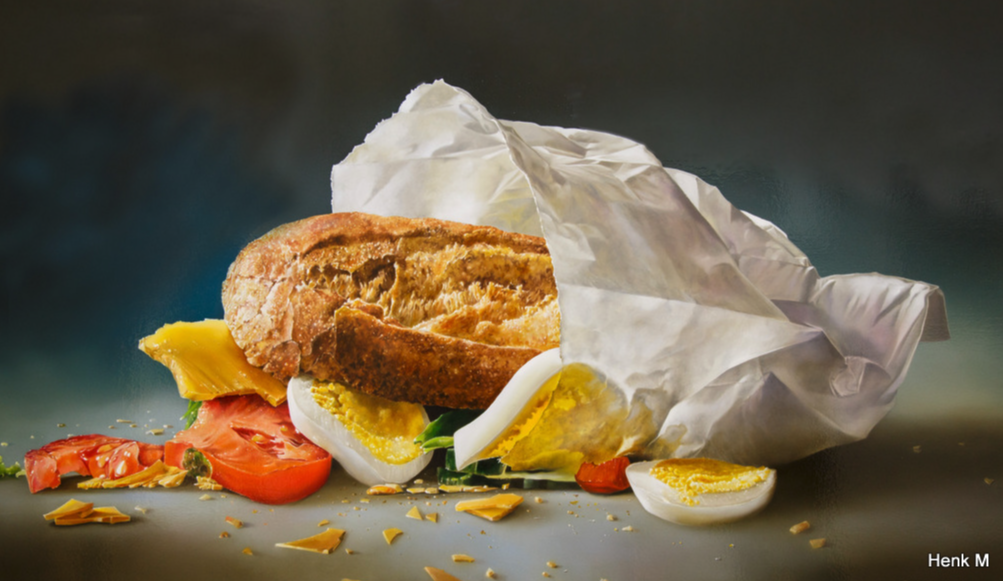
Today, many artists put a contemporary twist on the tradition of still life by painting modern-day food and objects in a hyperrealistic , high-definition style that are akin to photography:

 The Bigger Picture